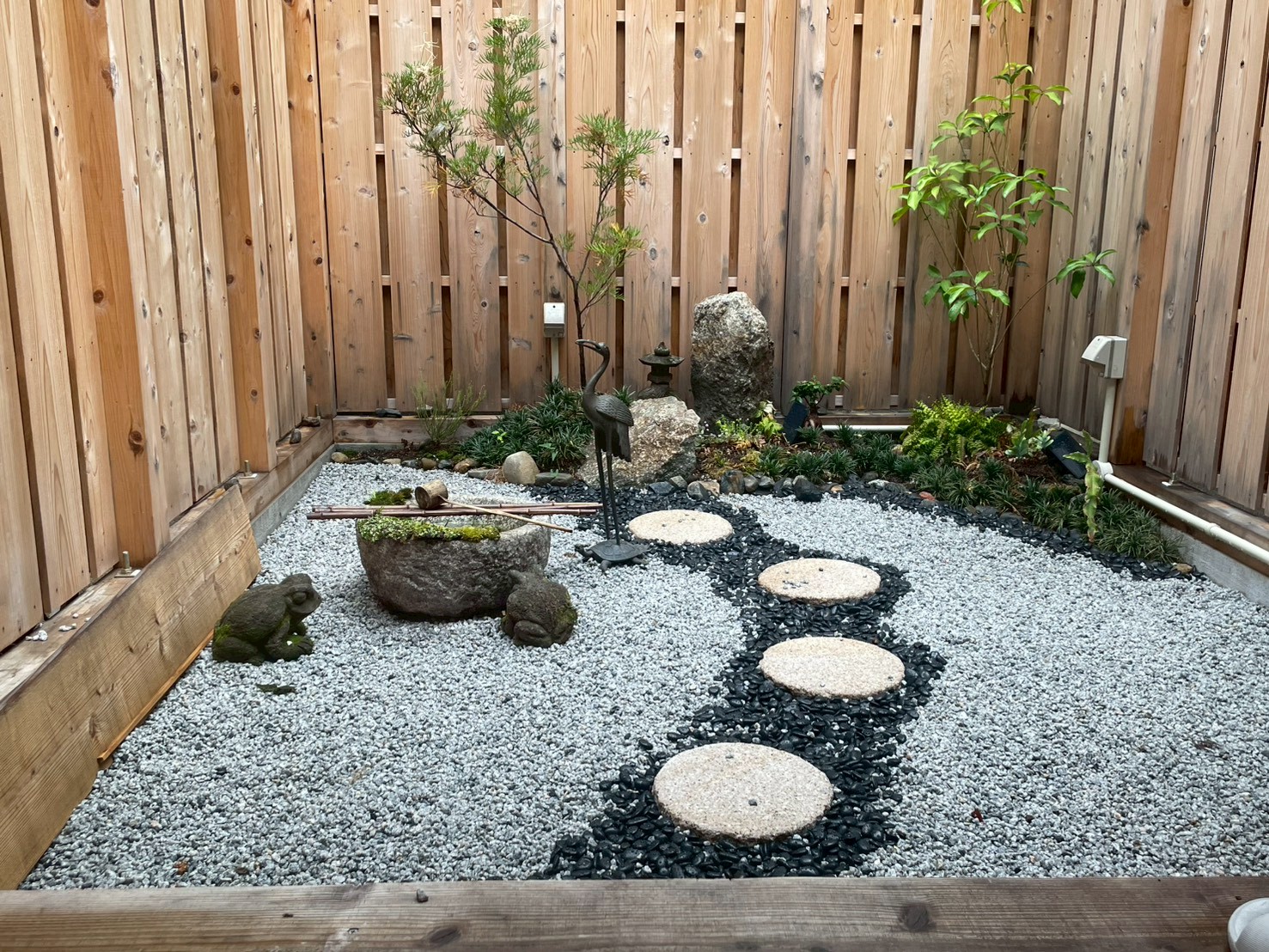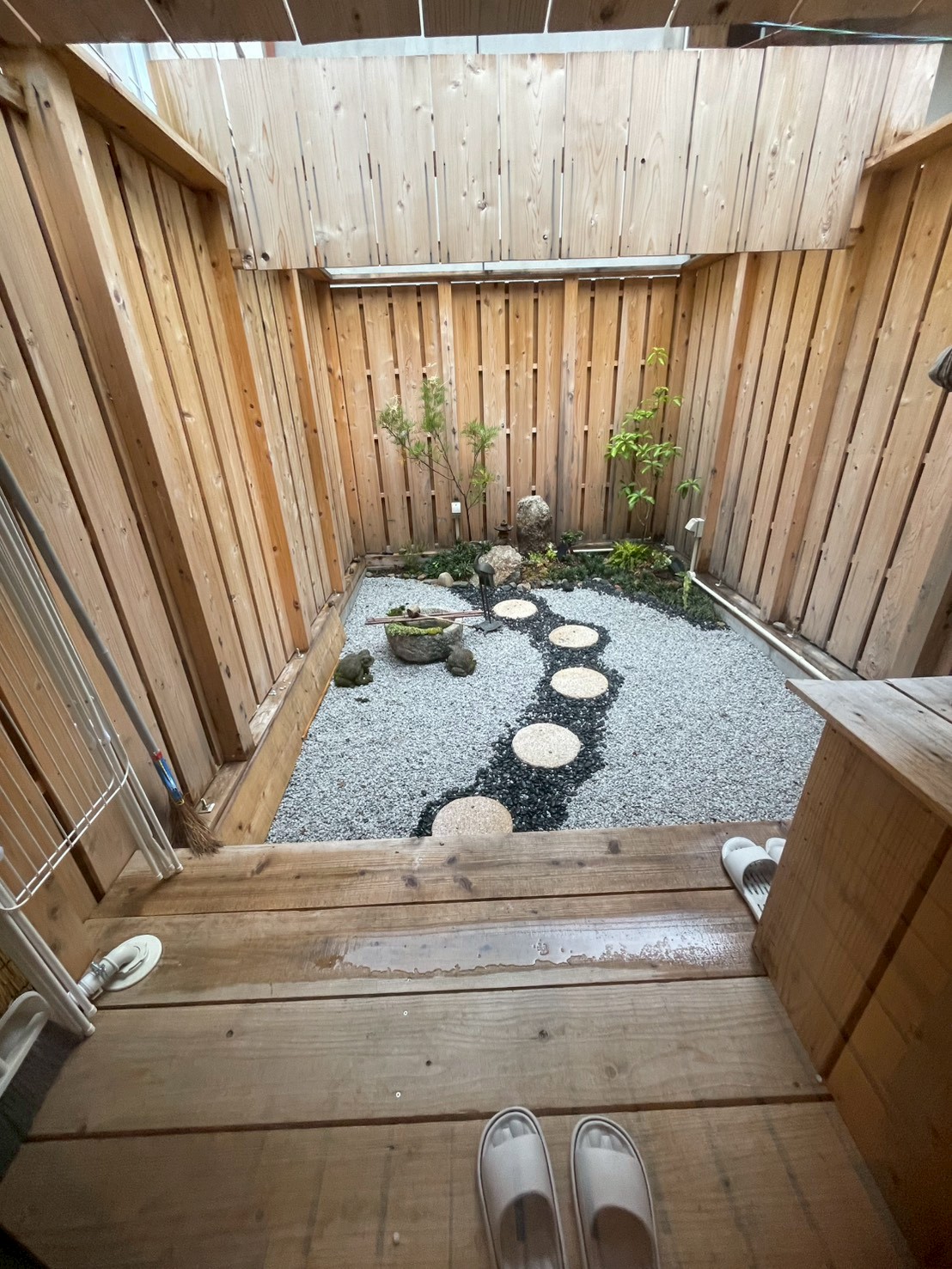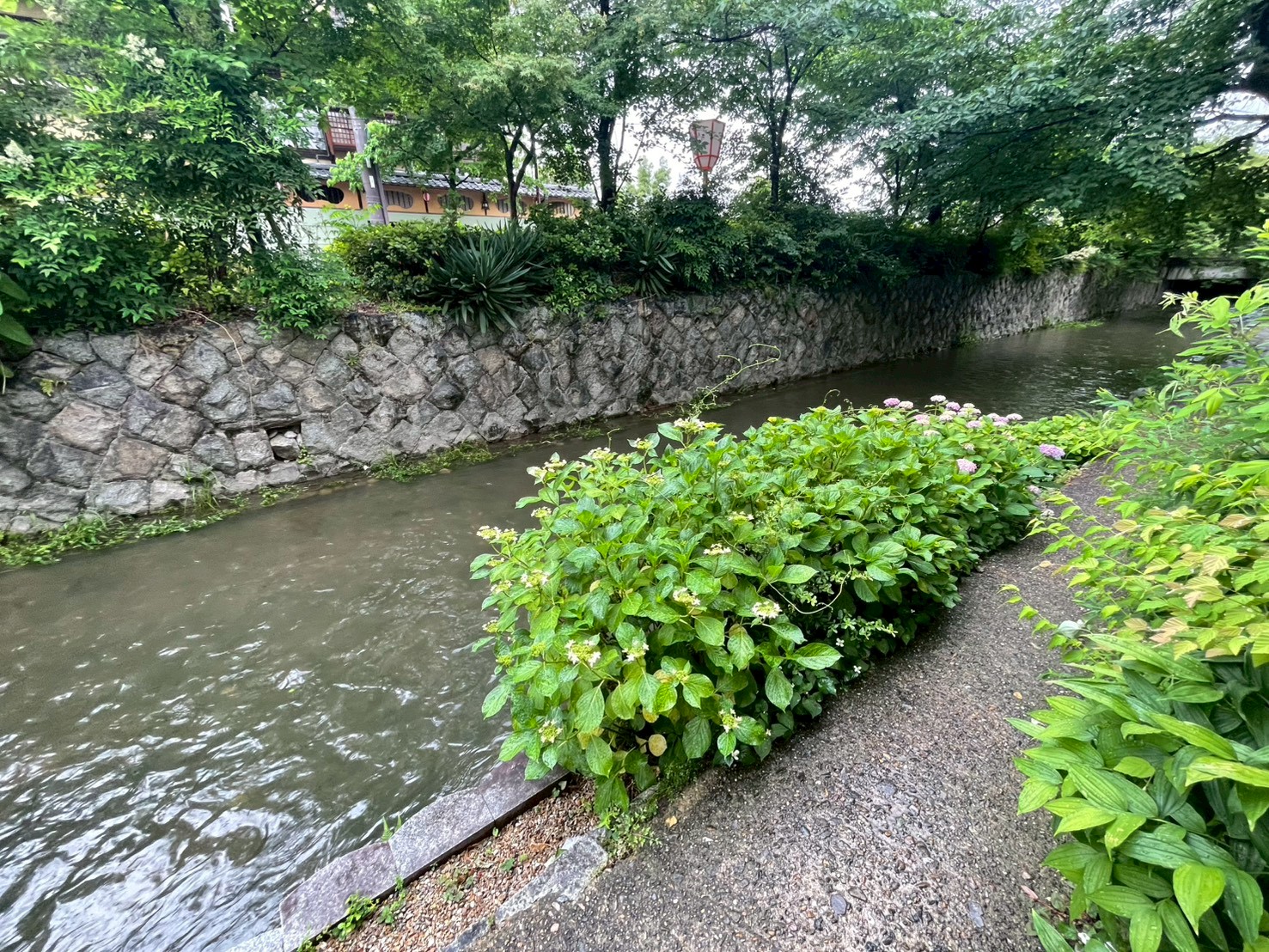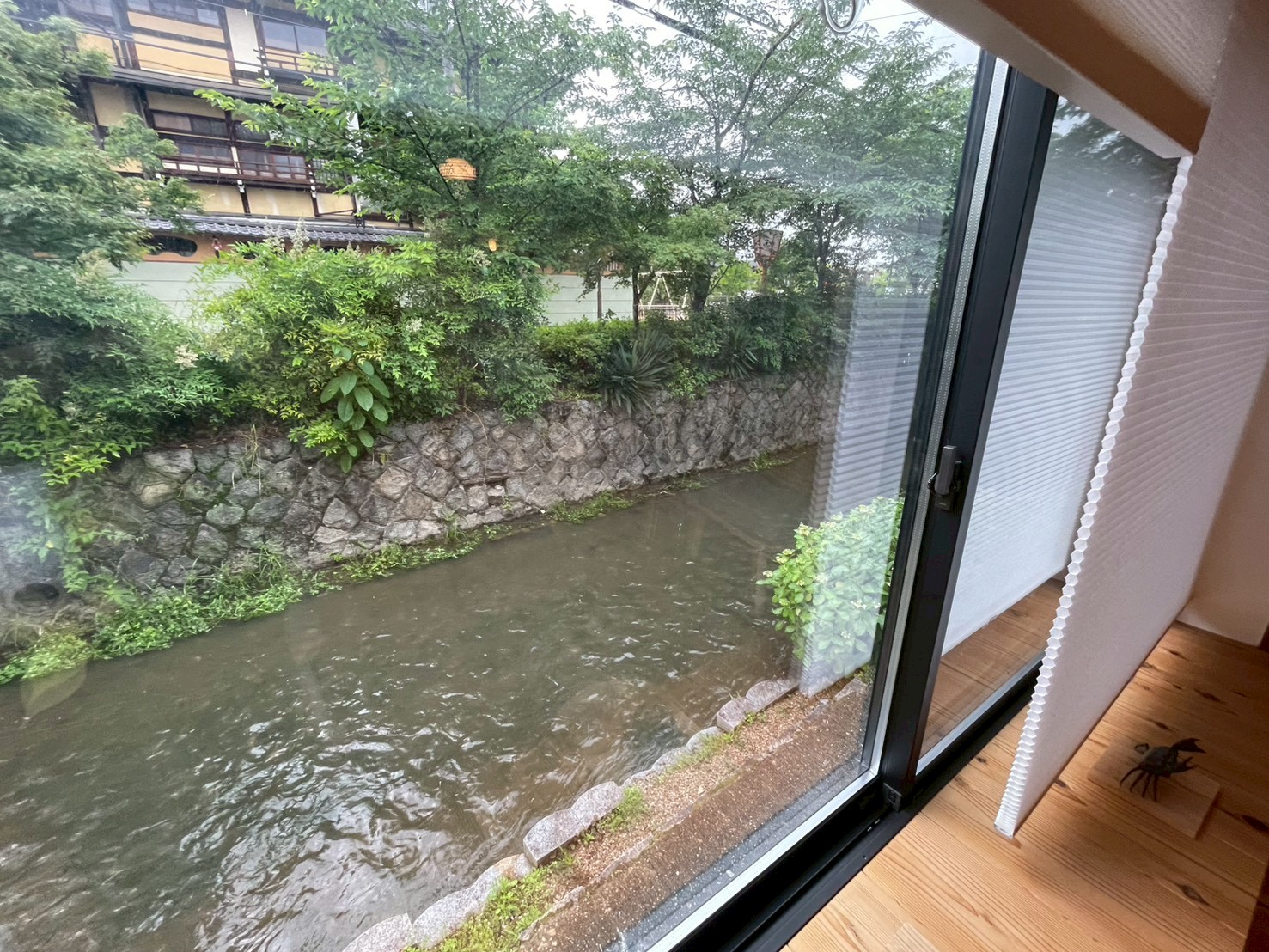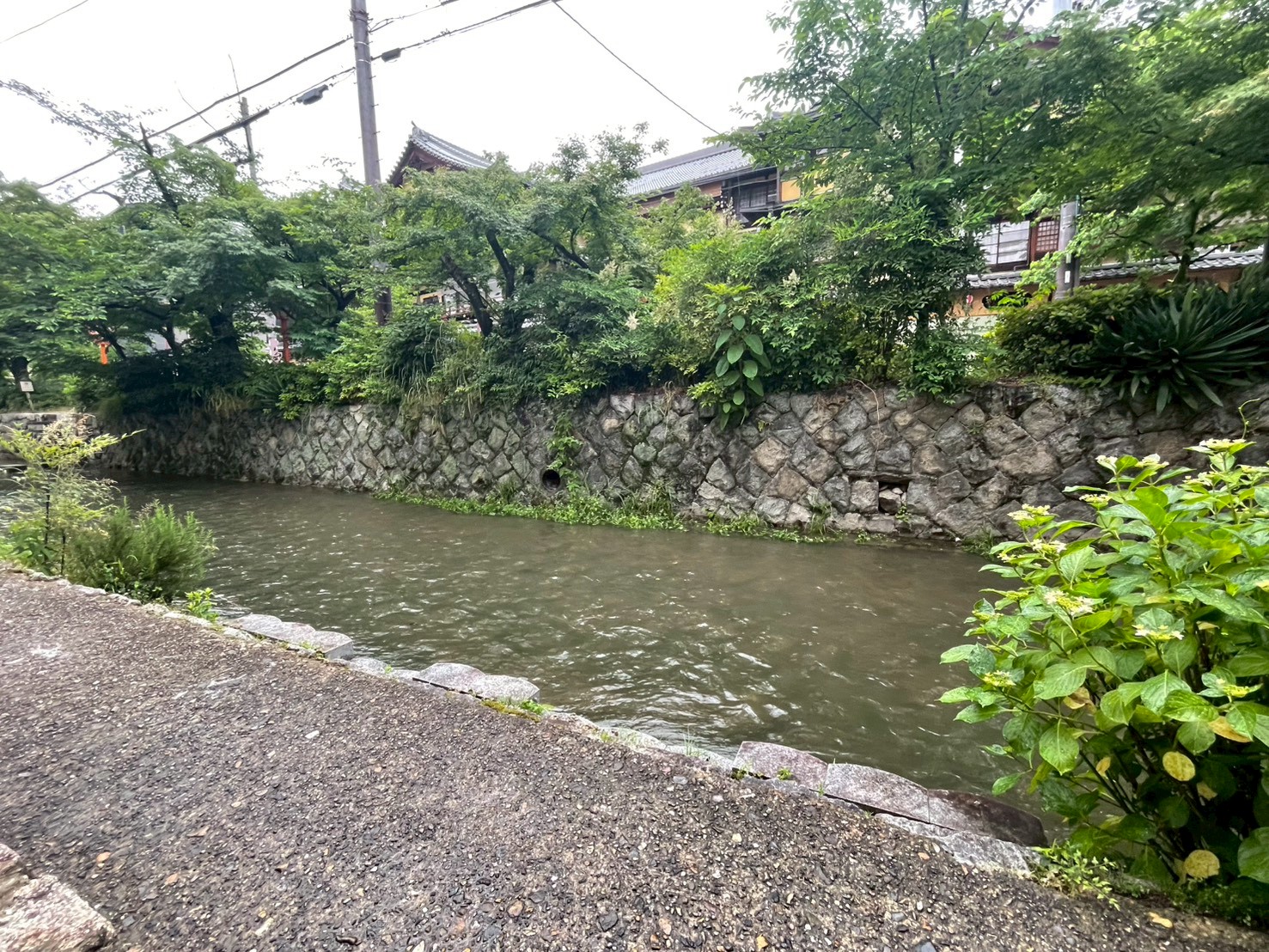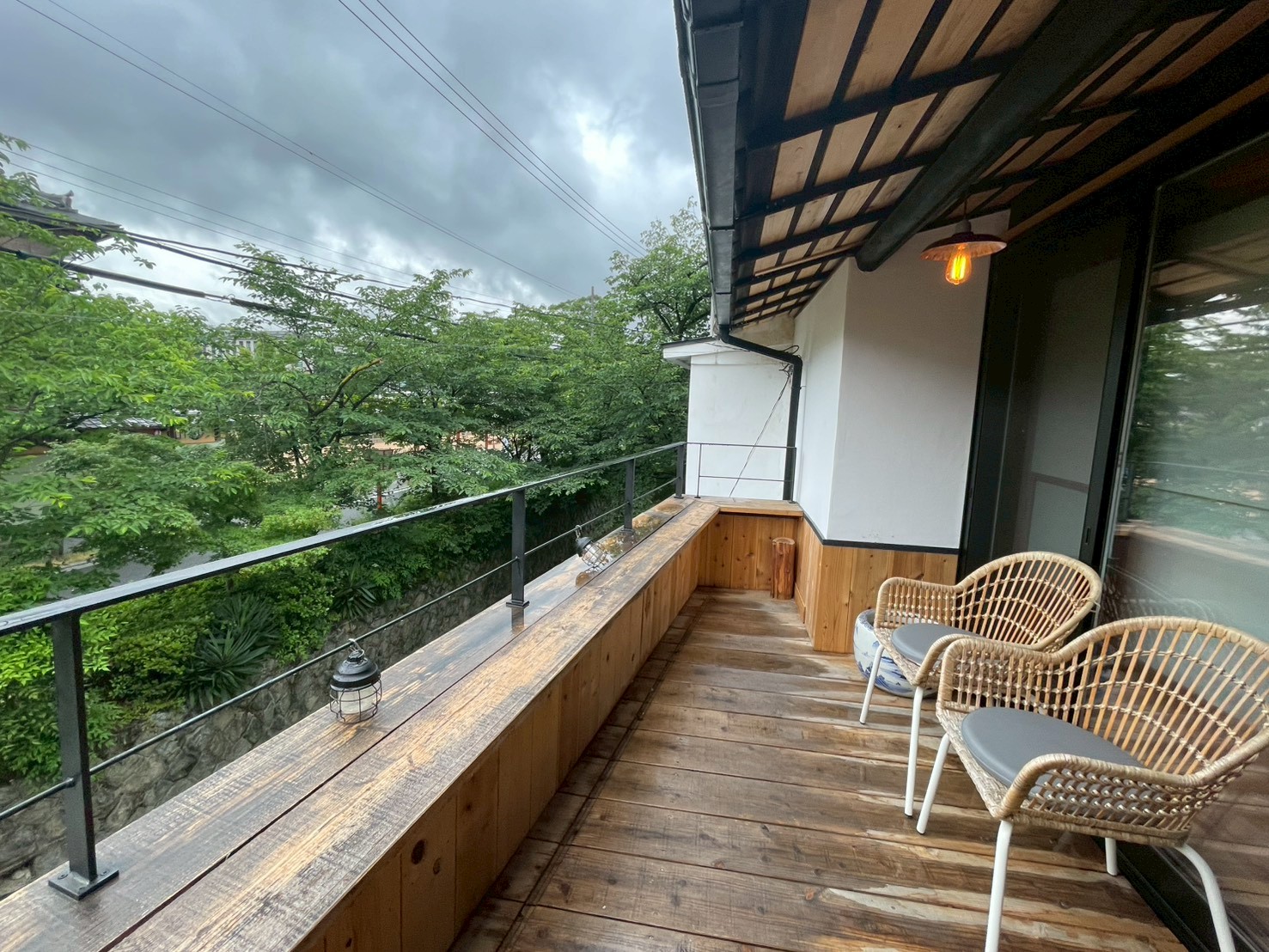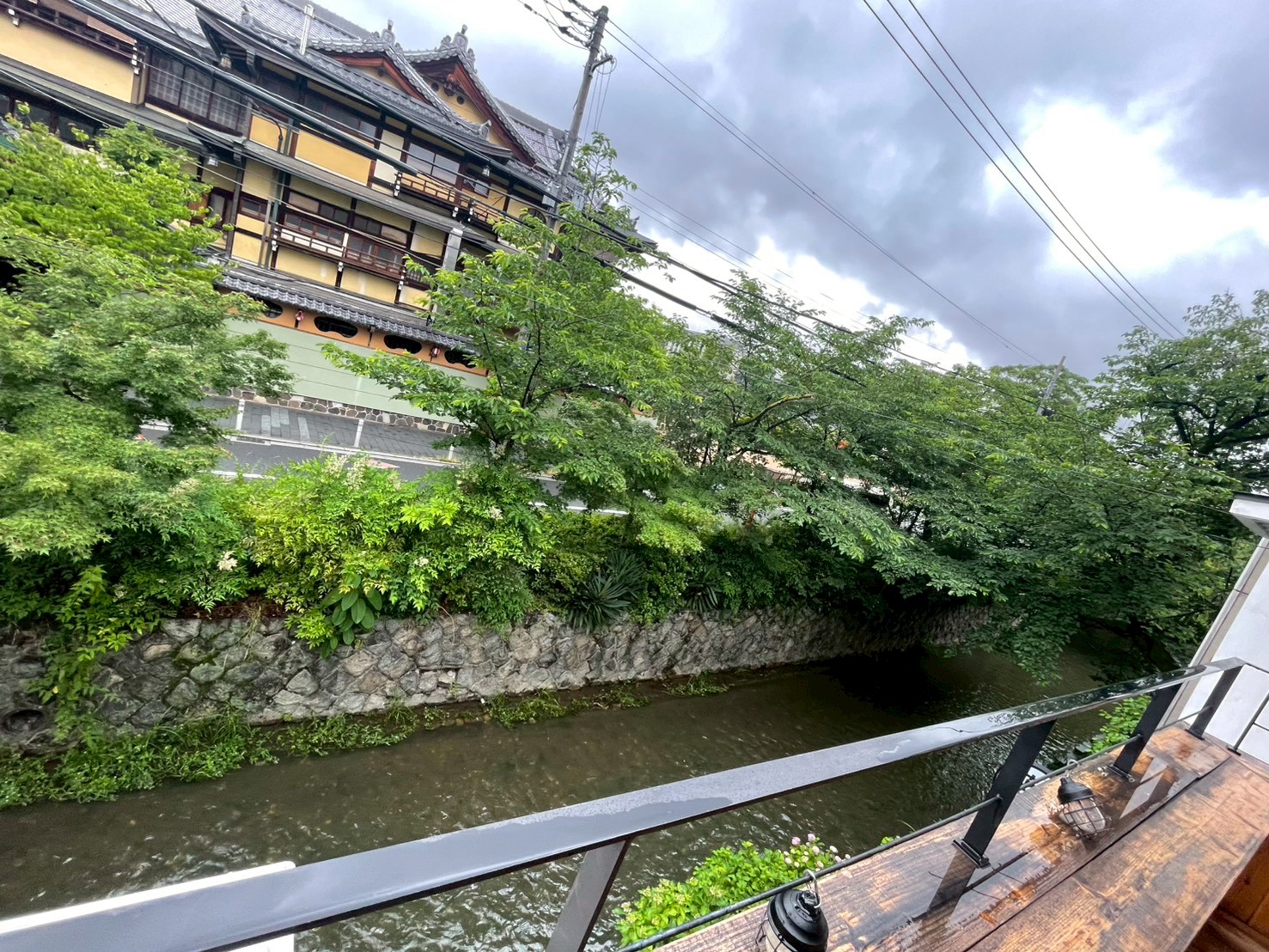

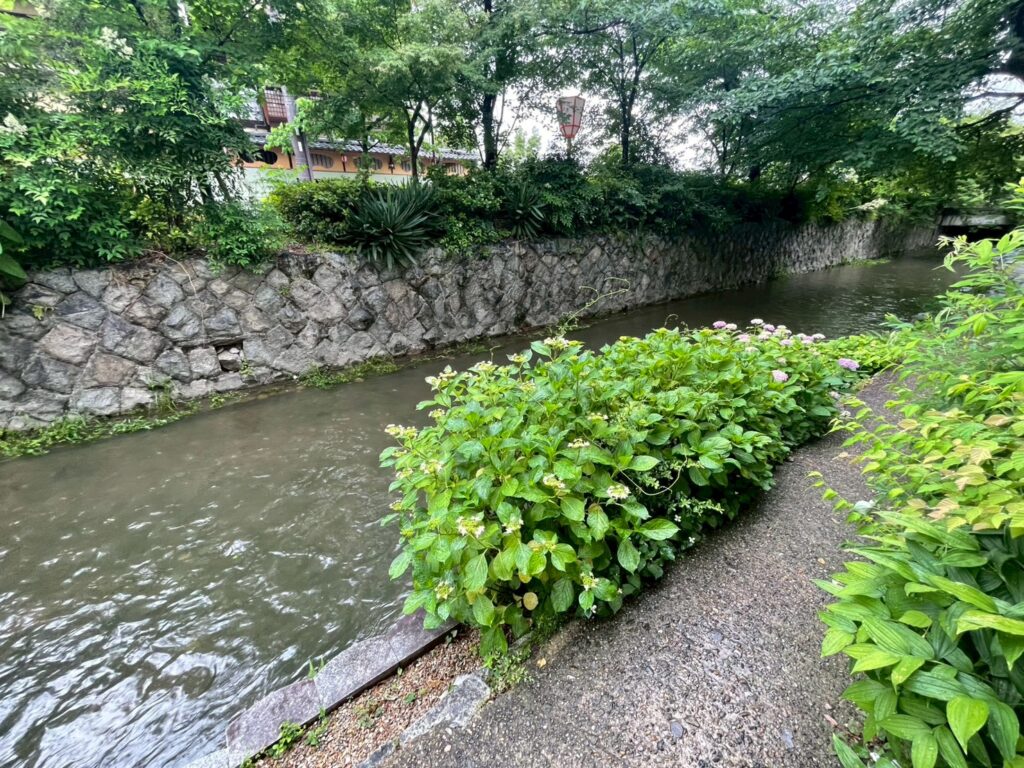


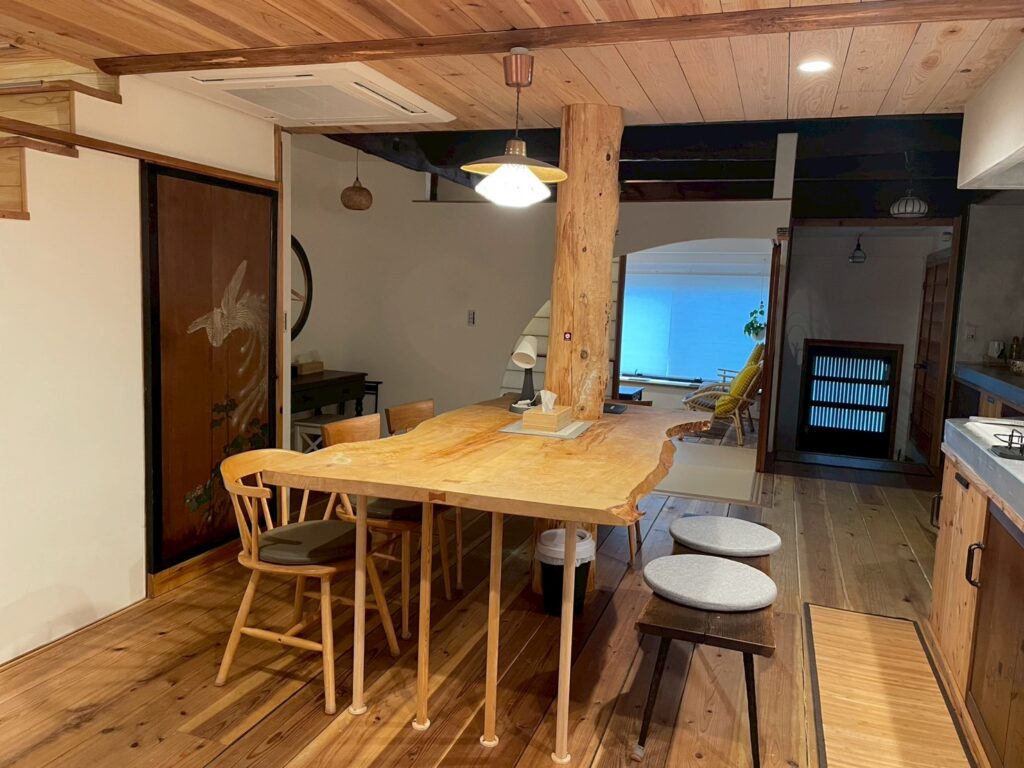

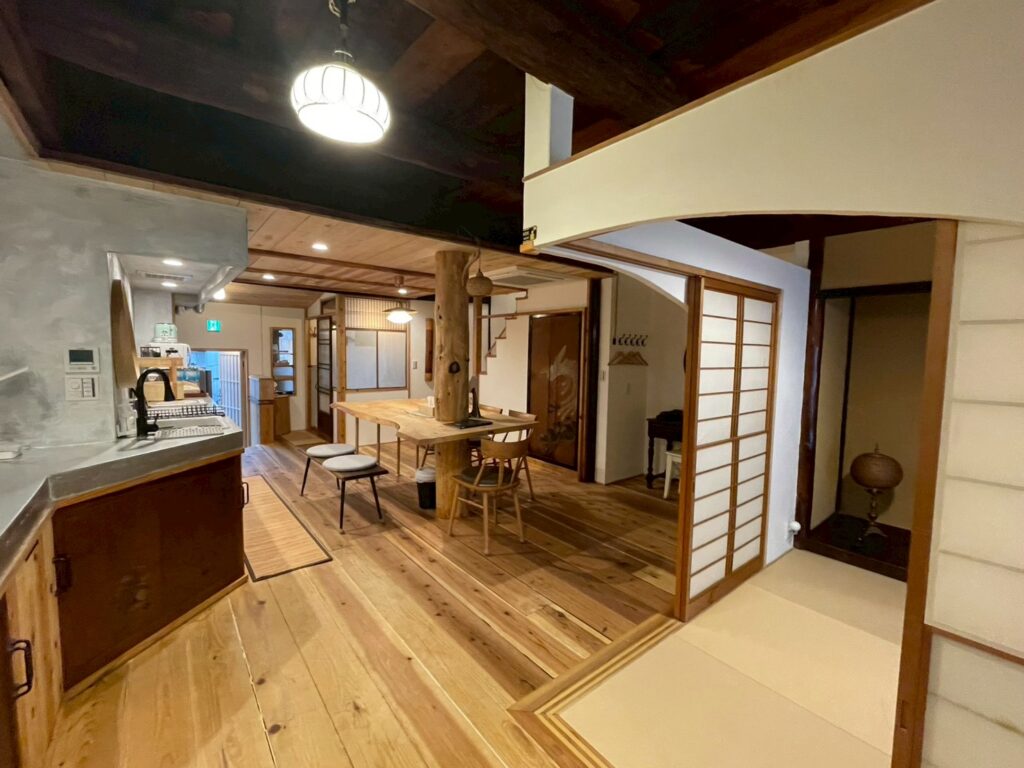

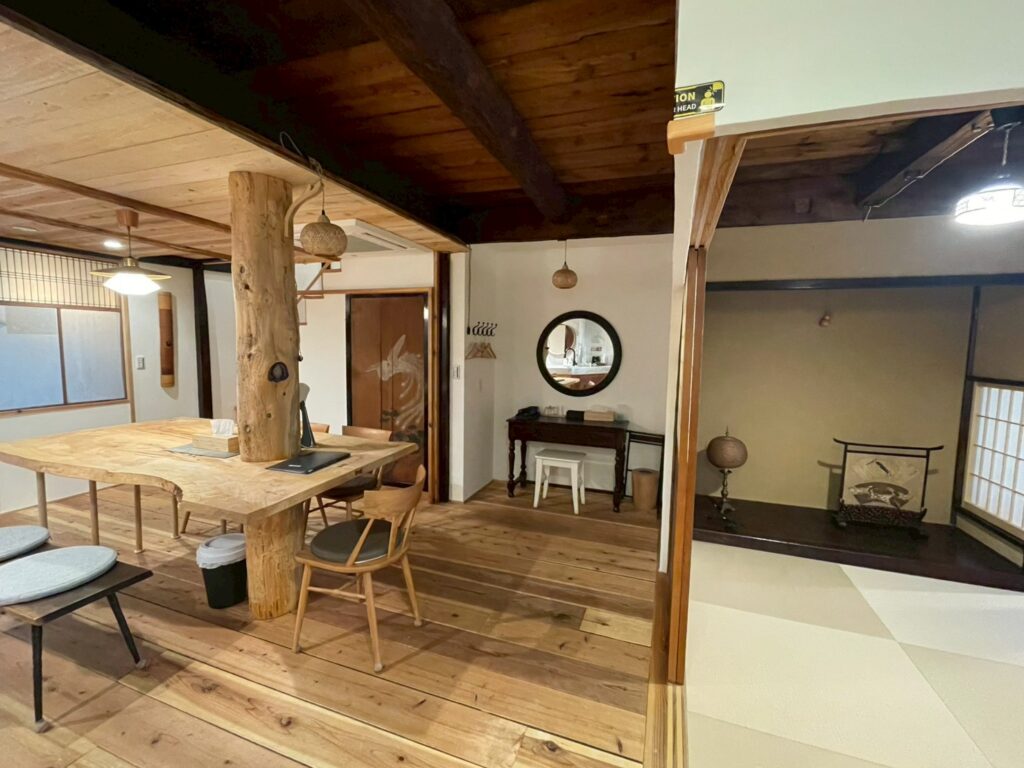

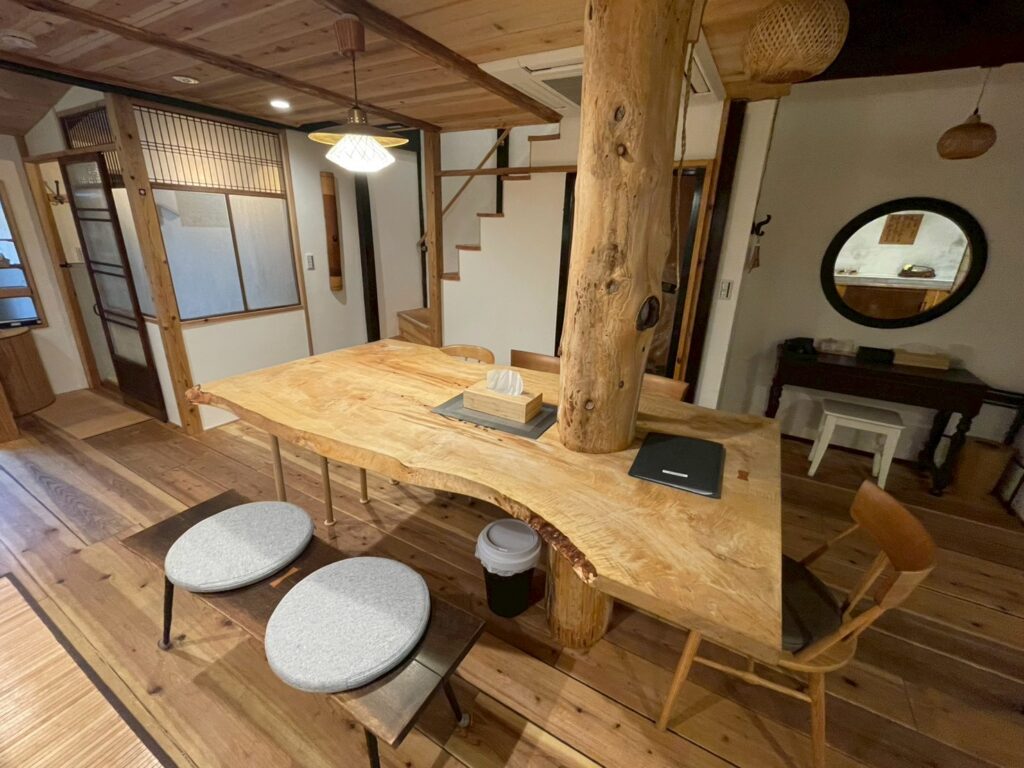

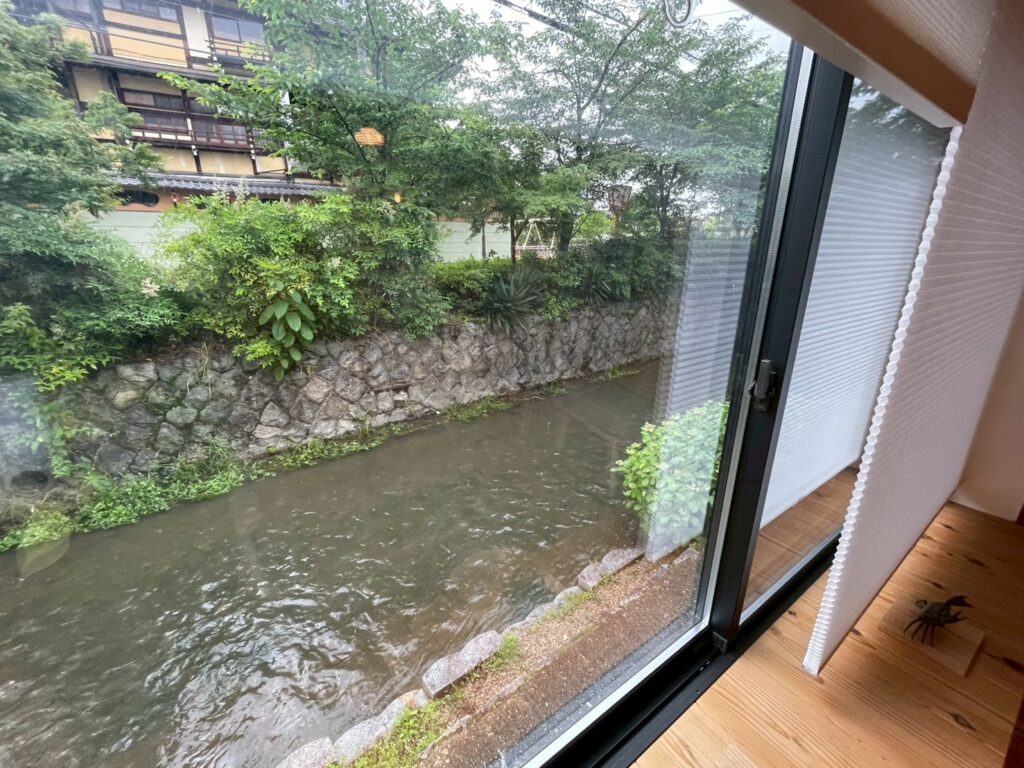
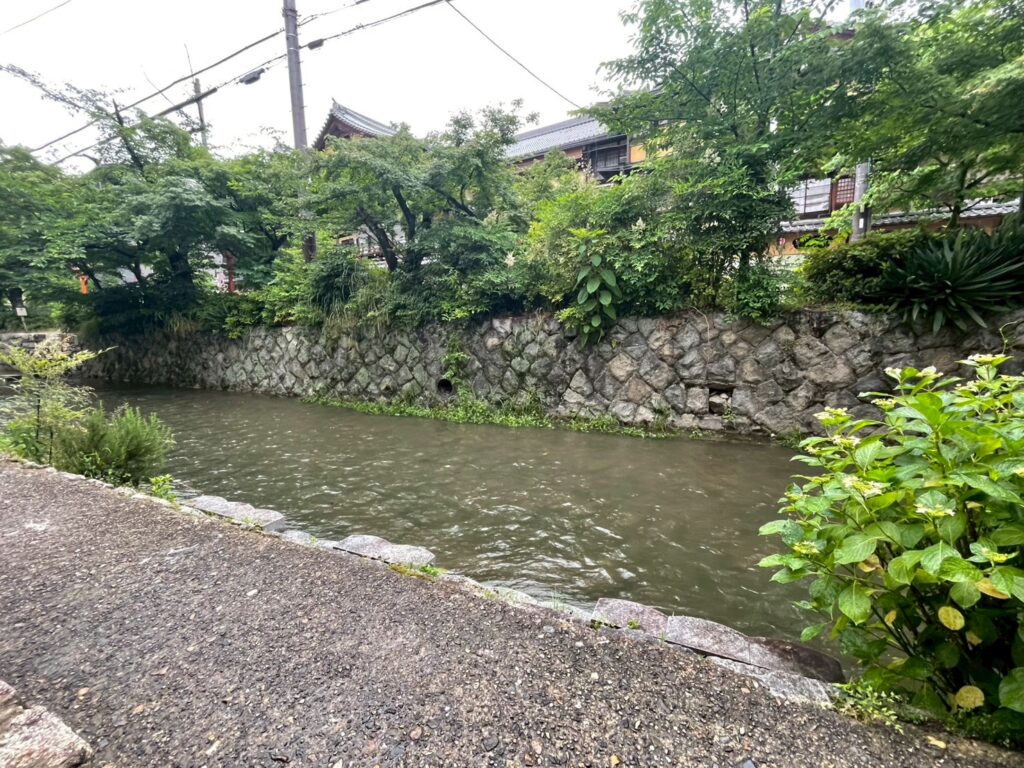


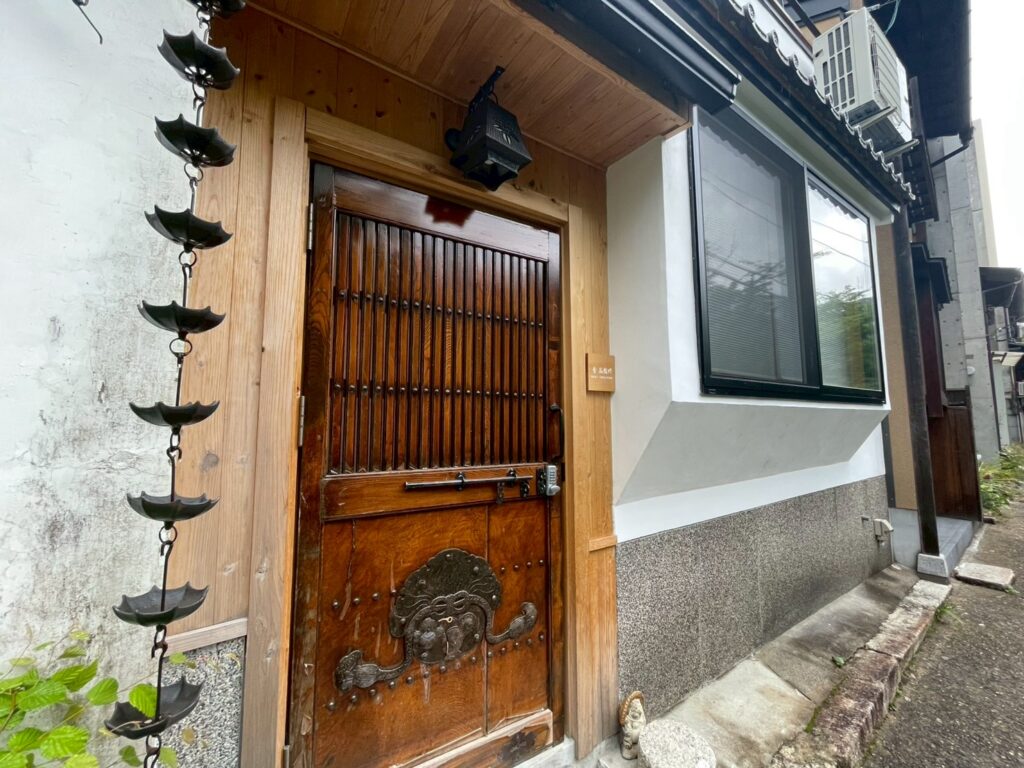
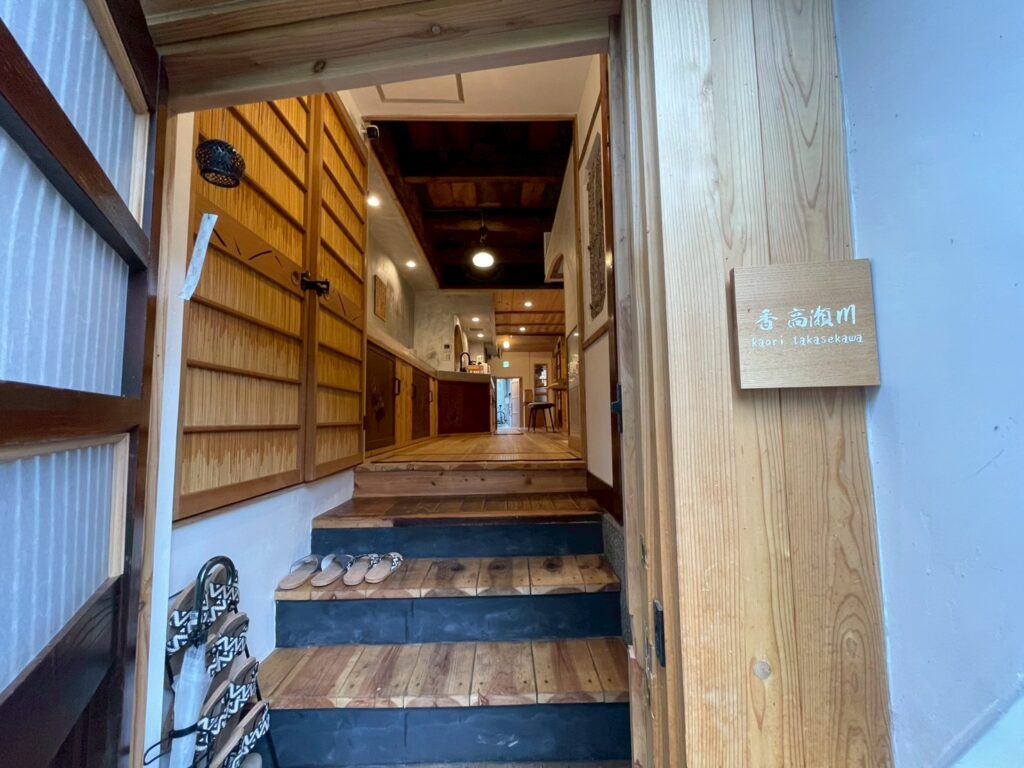

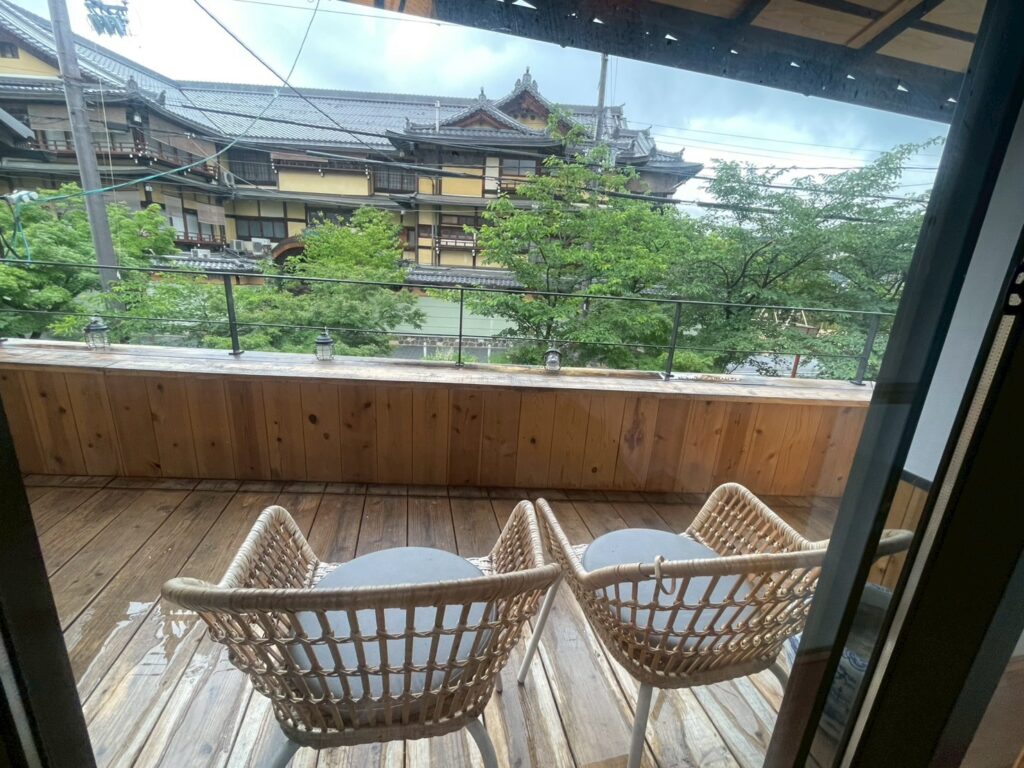
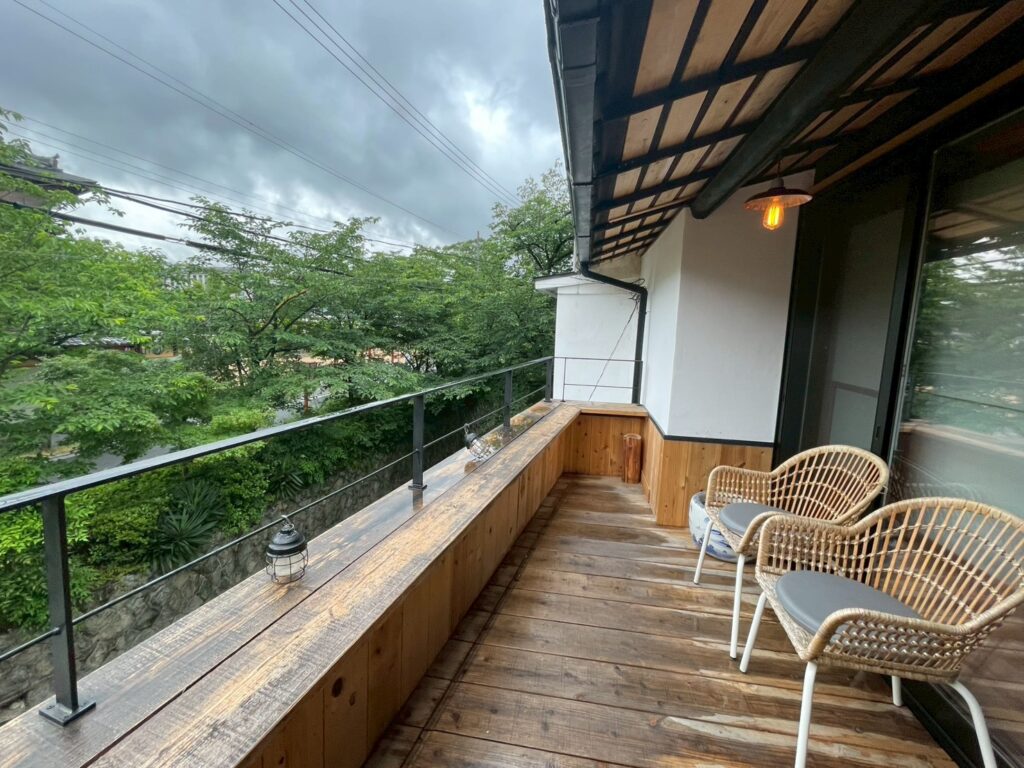
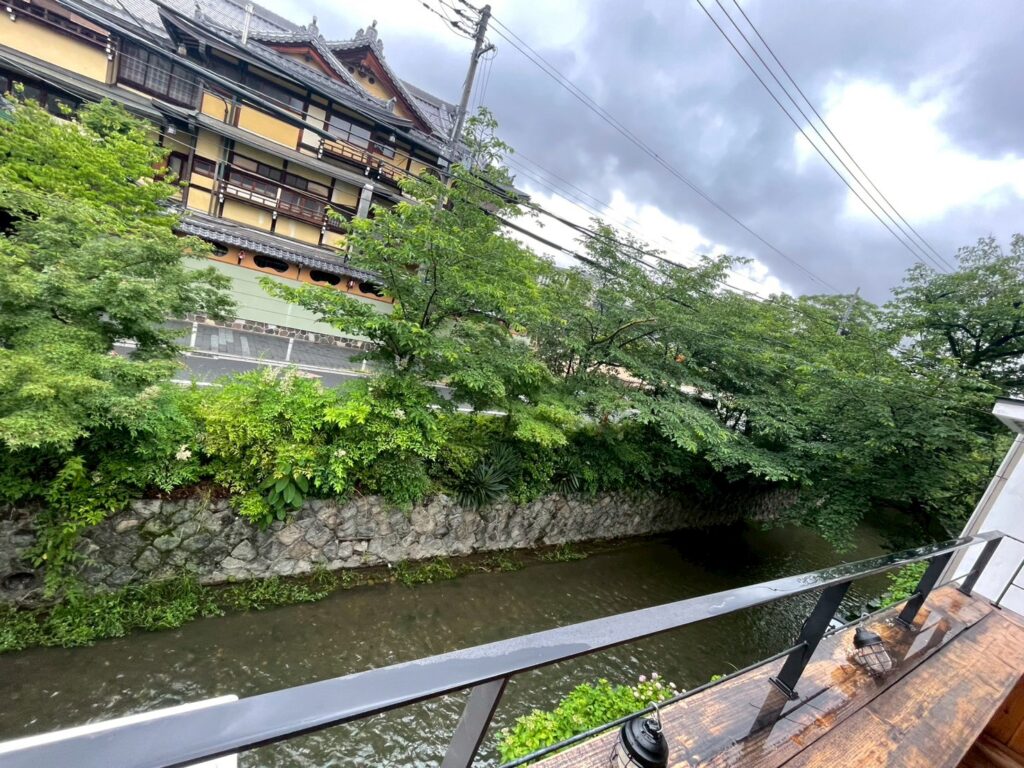
Nestled along the tranquil banks of the Takase River, Koh is more than a guesthouse. It is a place where Kyoto’s enduring culture of preservation, craftsmanship, and quiet beauty continues to live.
Located in one of Kyoto’s most charming and walkable neighborhoods, the property enjoys a rare relationship with the city. The gentle flow of the Takase River passes directly in front of the house, while nearby cafés, independent restaurants, and a small riverside park create a rhythm of daily life that feels both local and timeless. Residents and visitors gather here not for spectacle, but for the simple pleasure of being present. It is the kind of Kyoto that many travelers seek but few ever truly discover.
What makes Koh exceptional is not only its setting, but the philosophy embedded within its architecture.
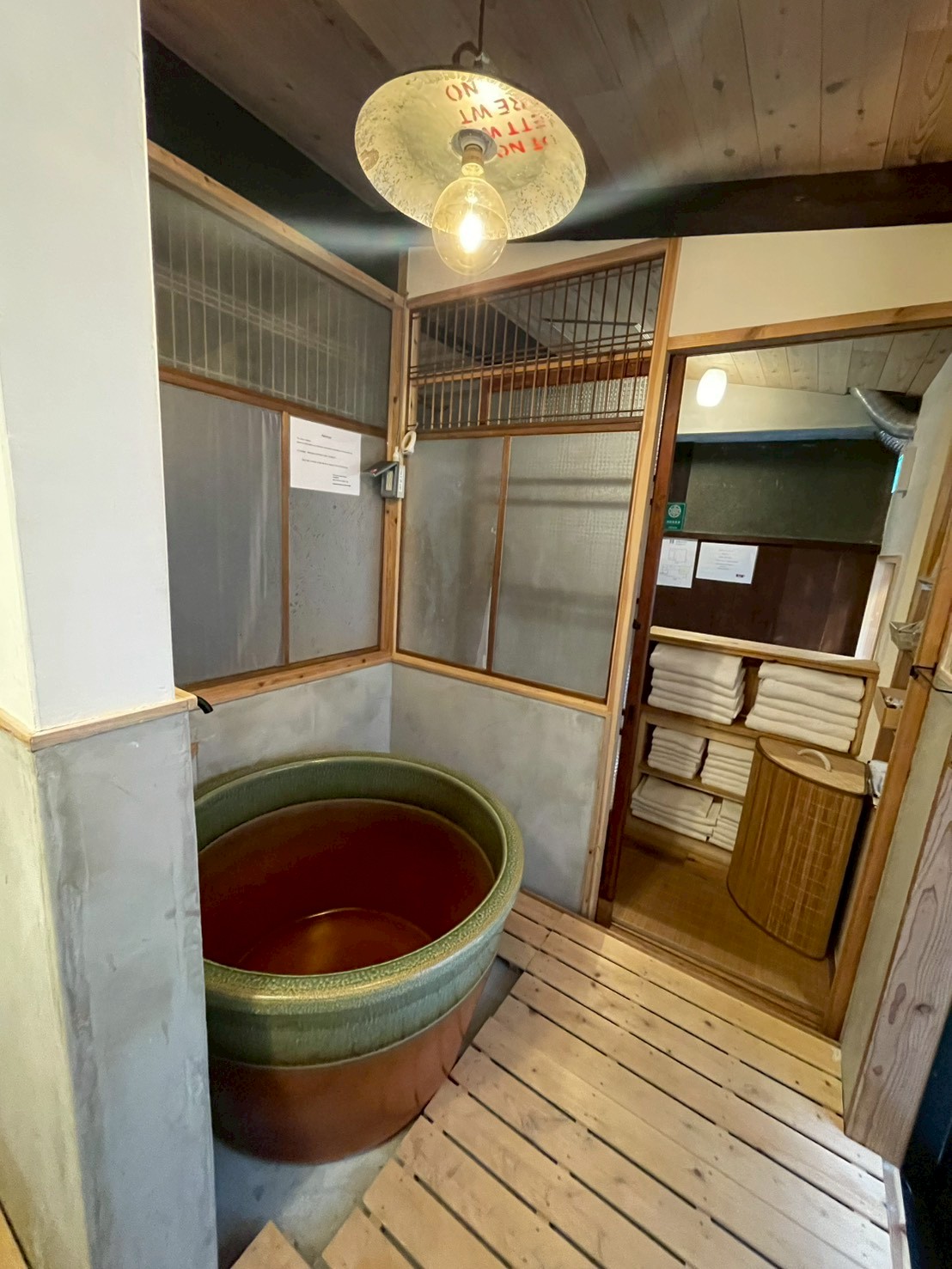
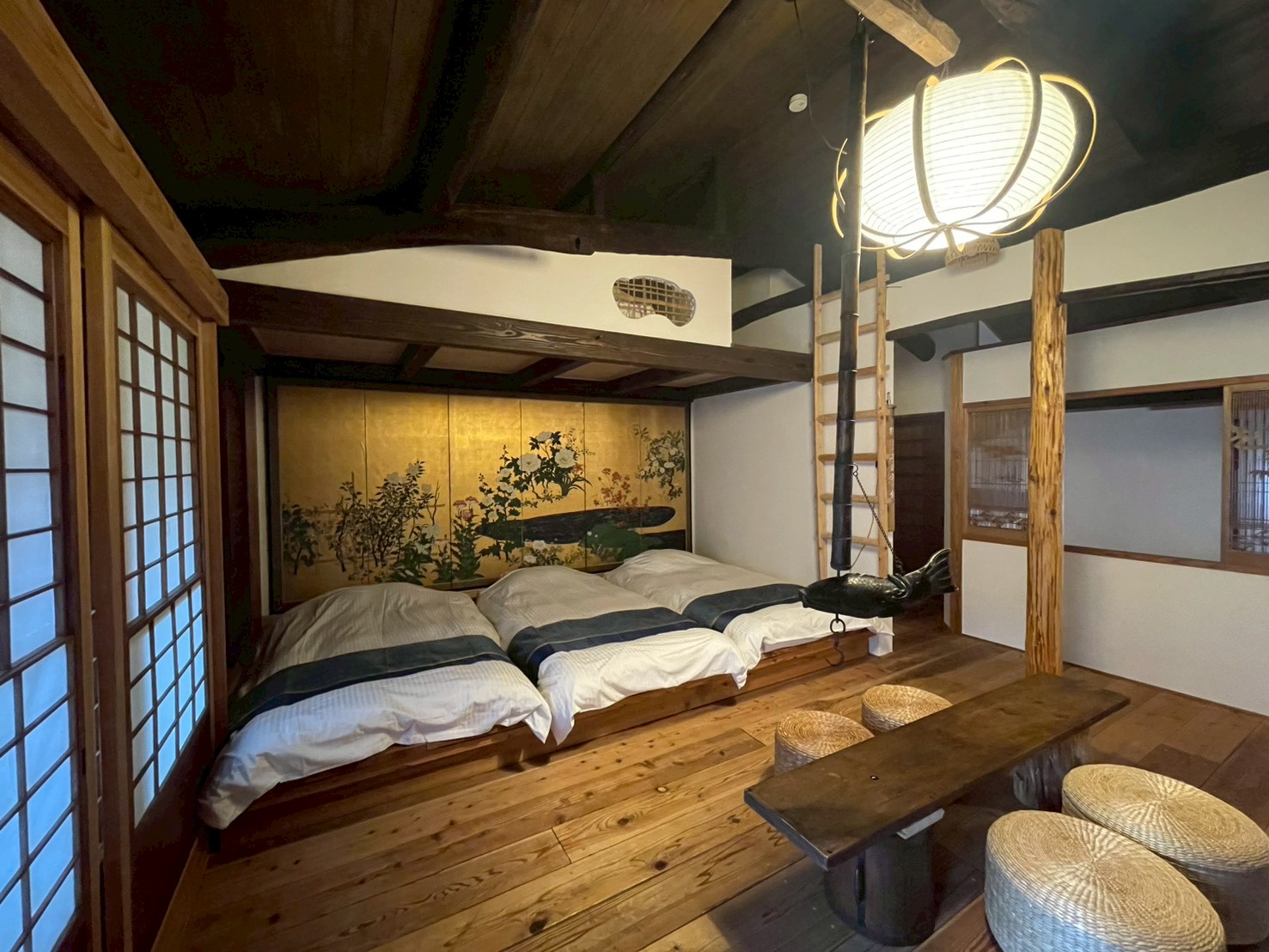
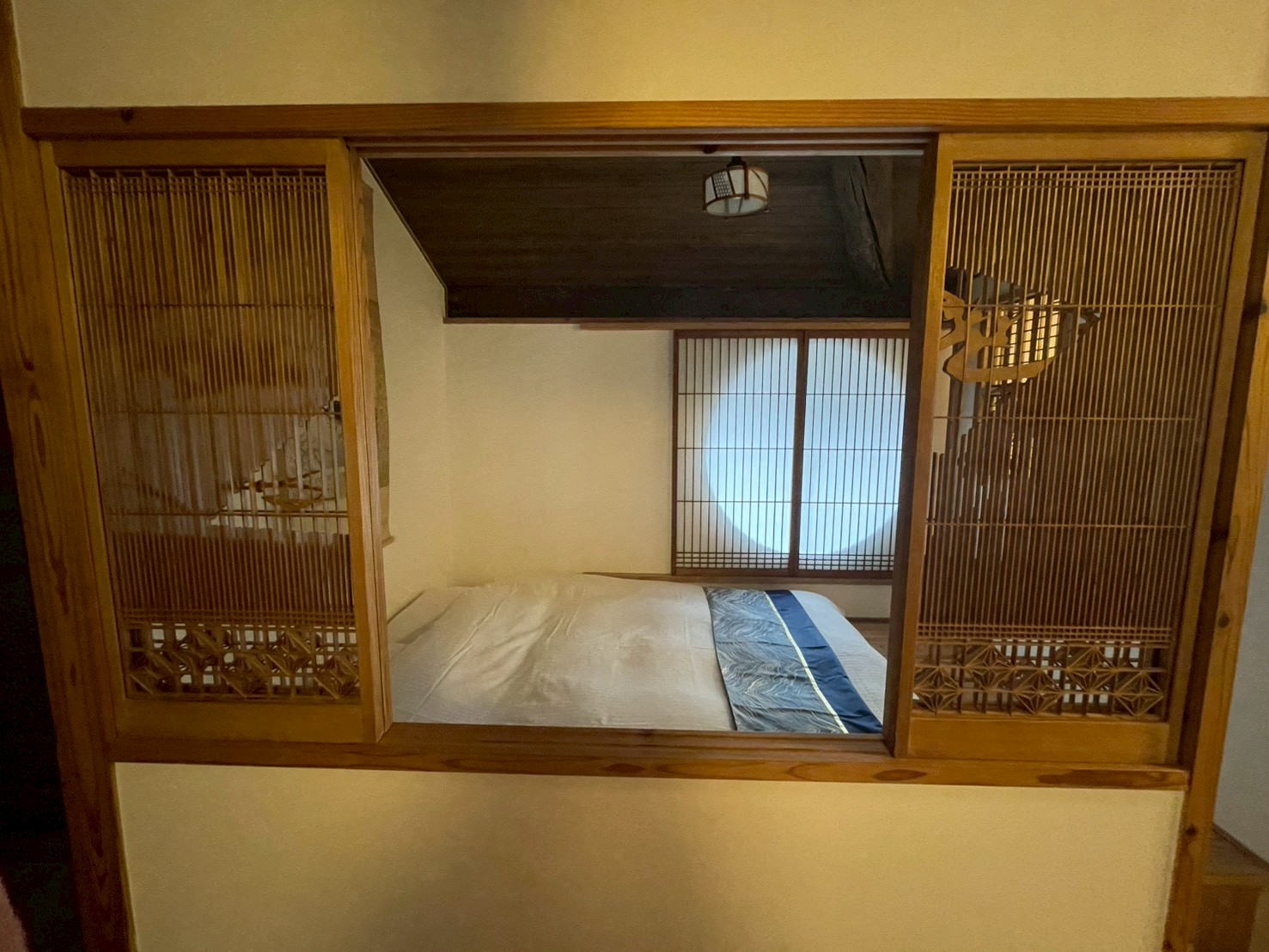
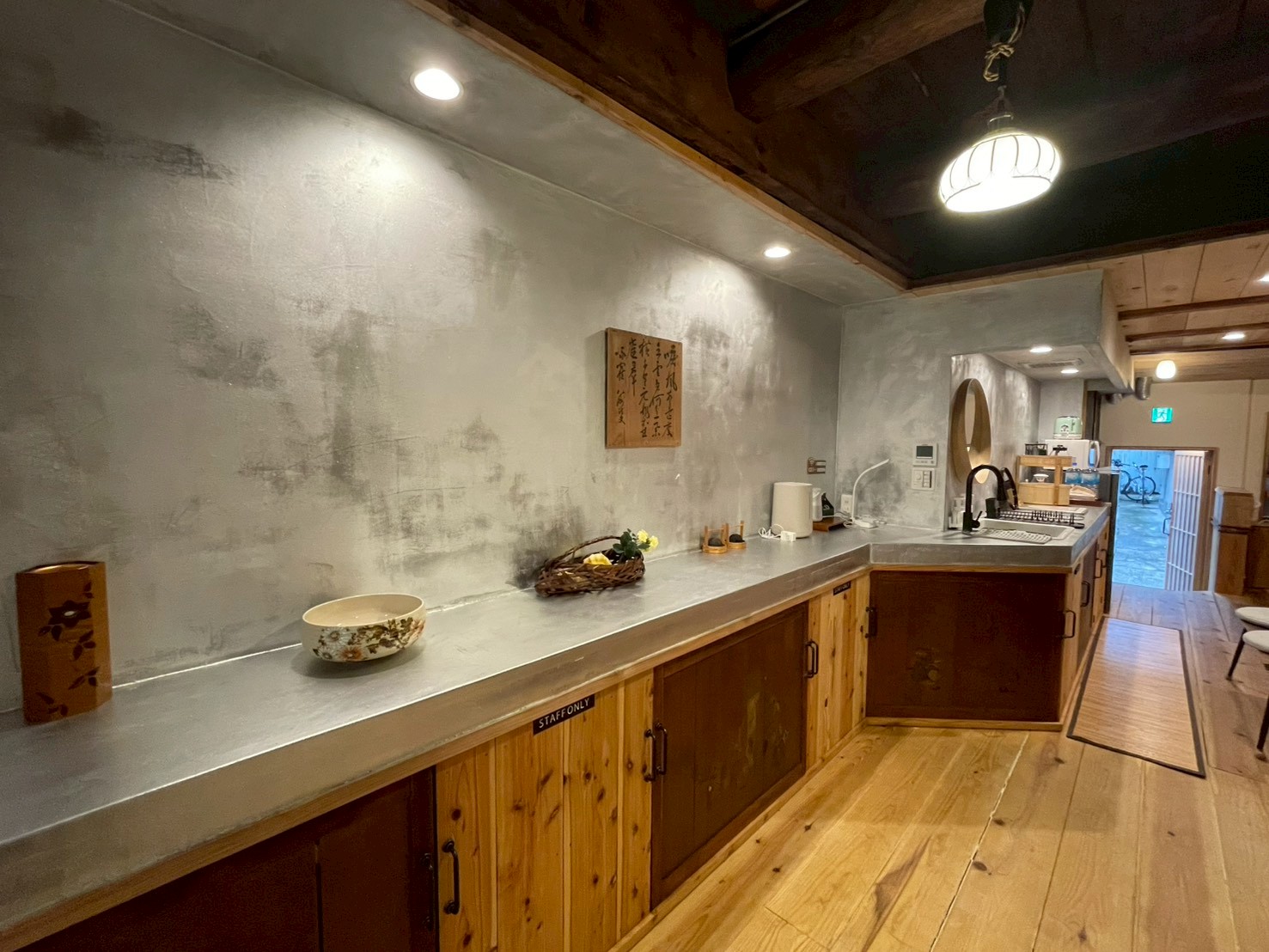
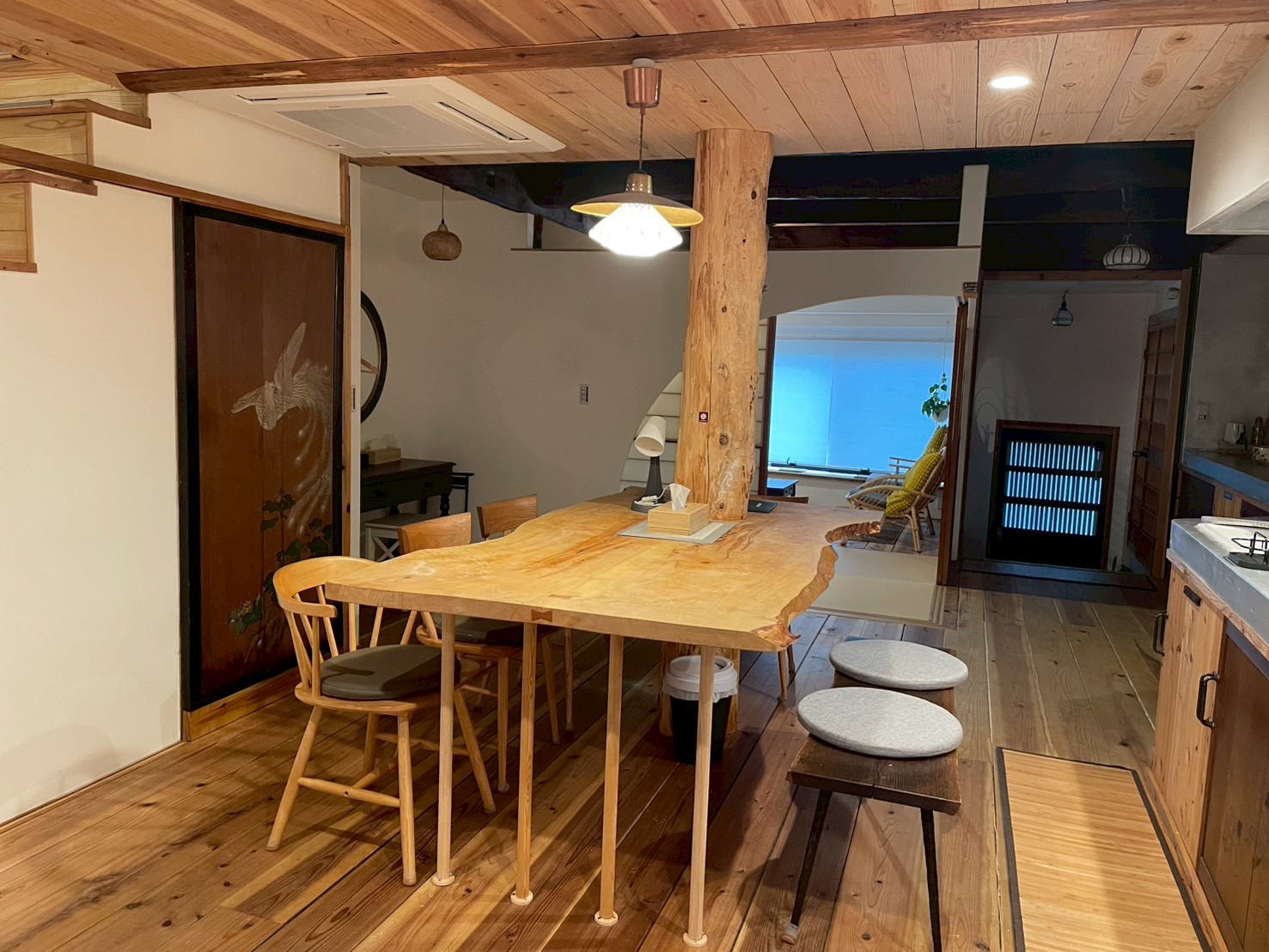
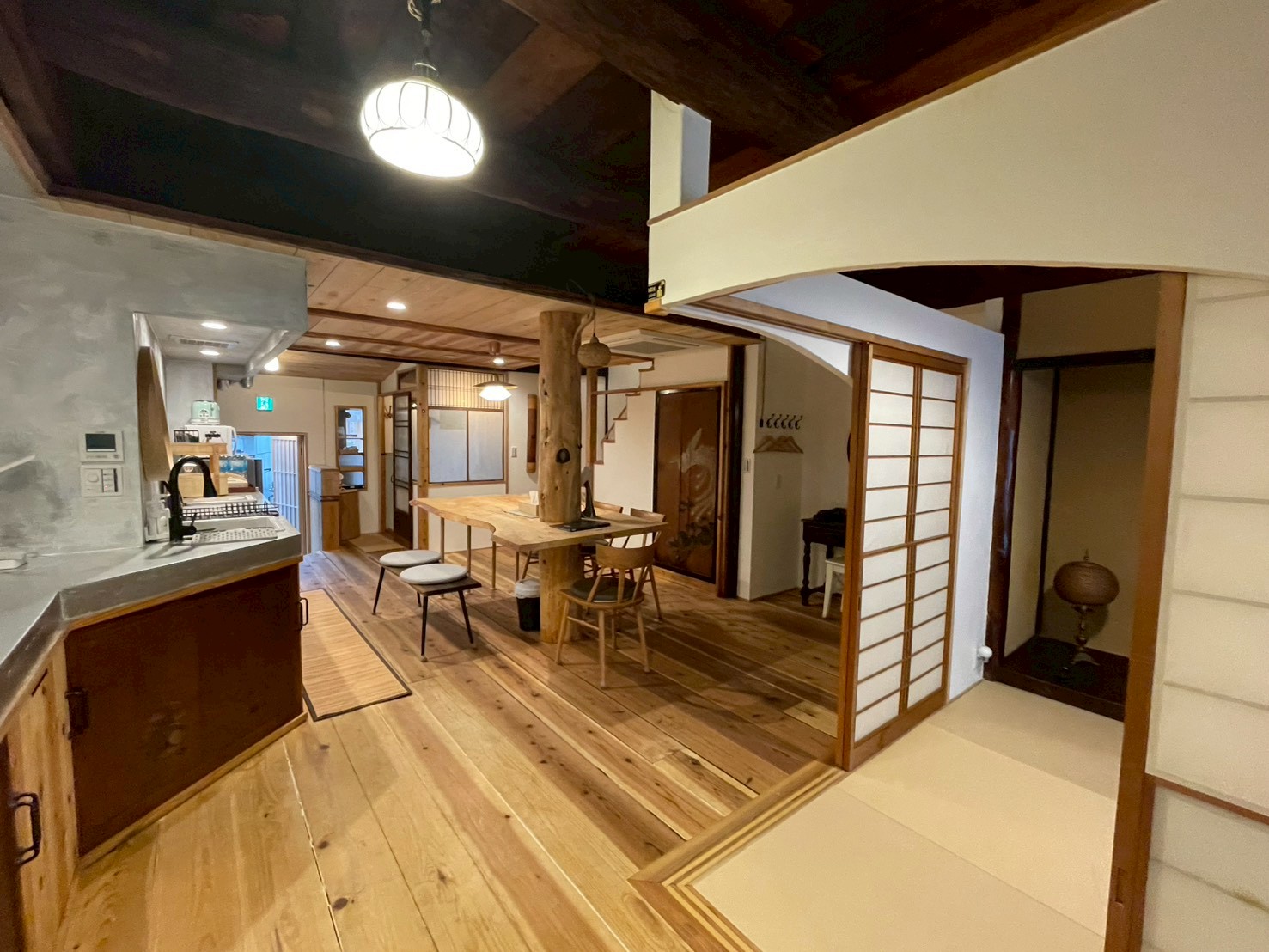
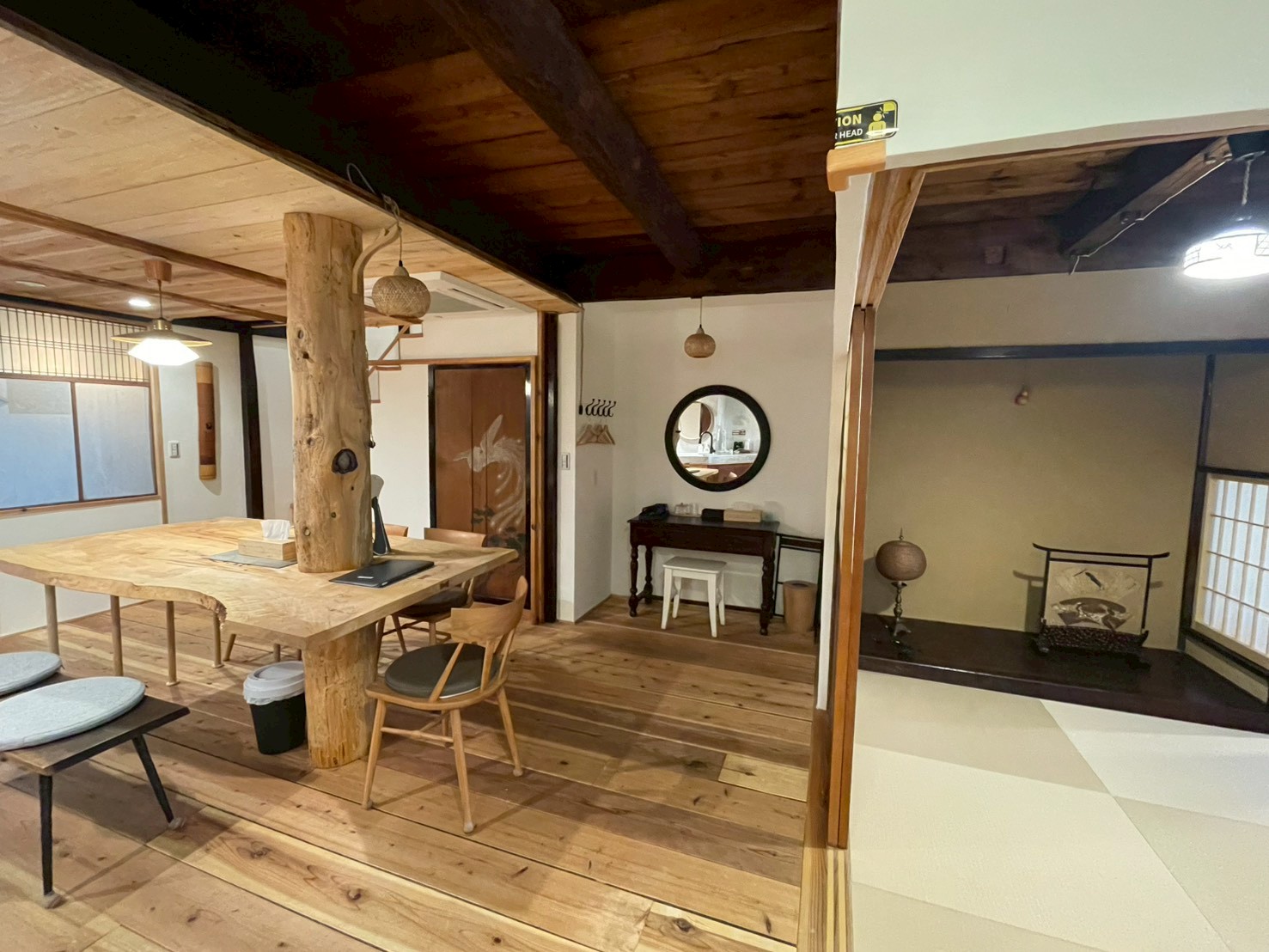
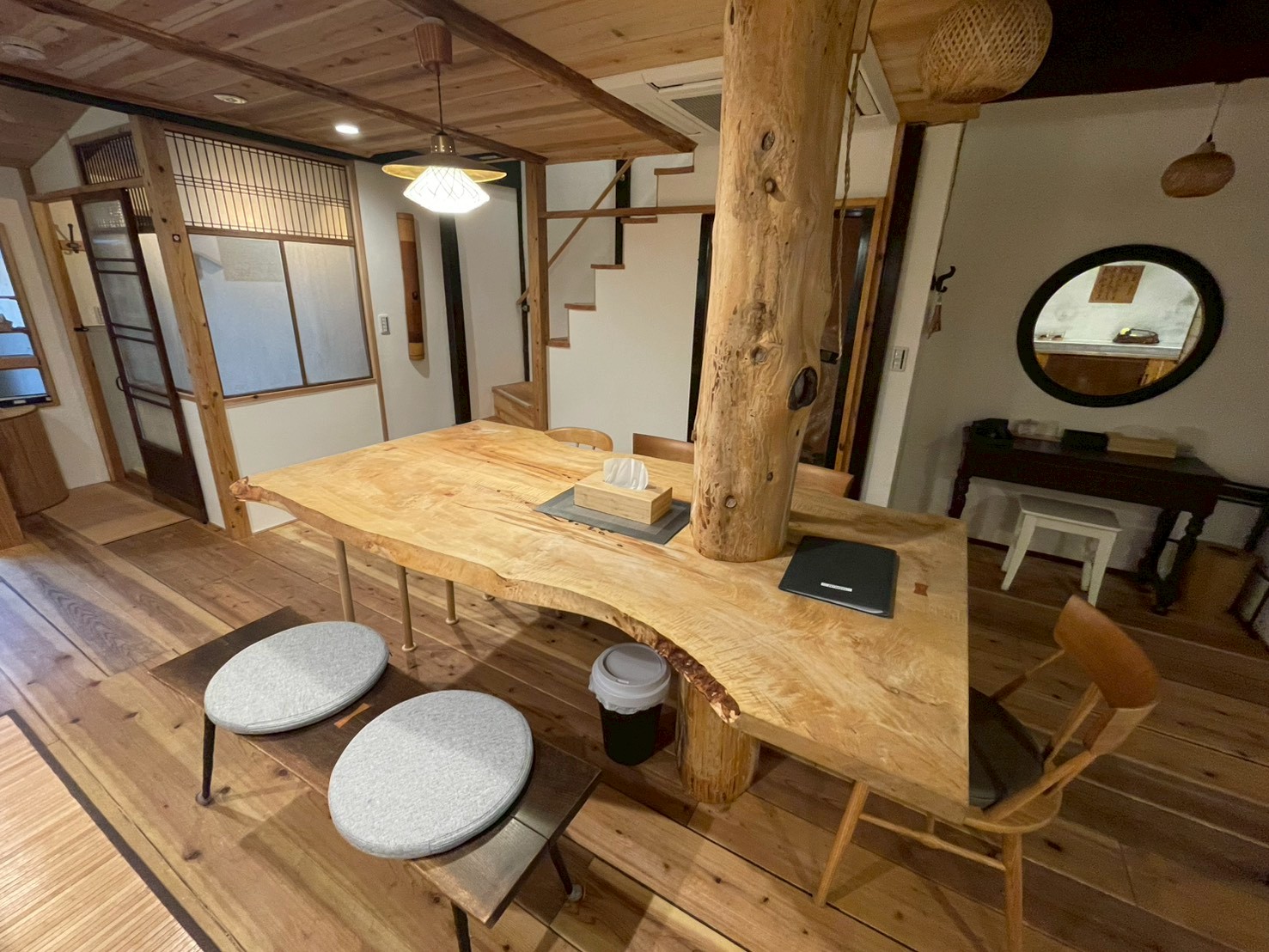
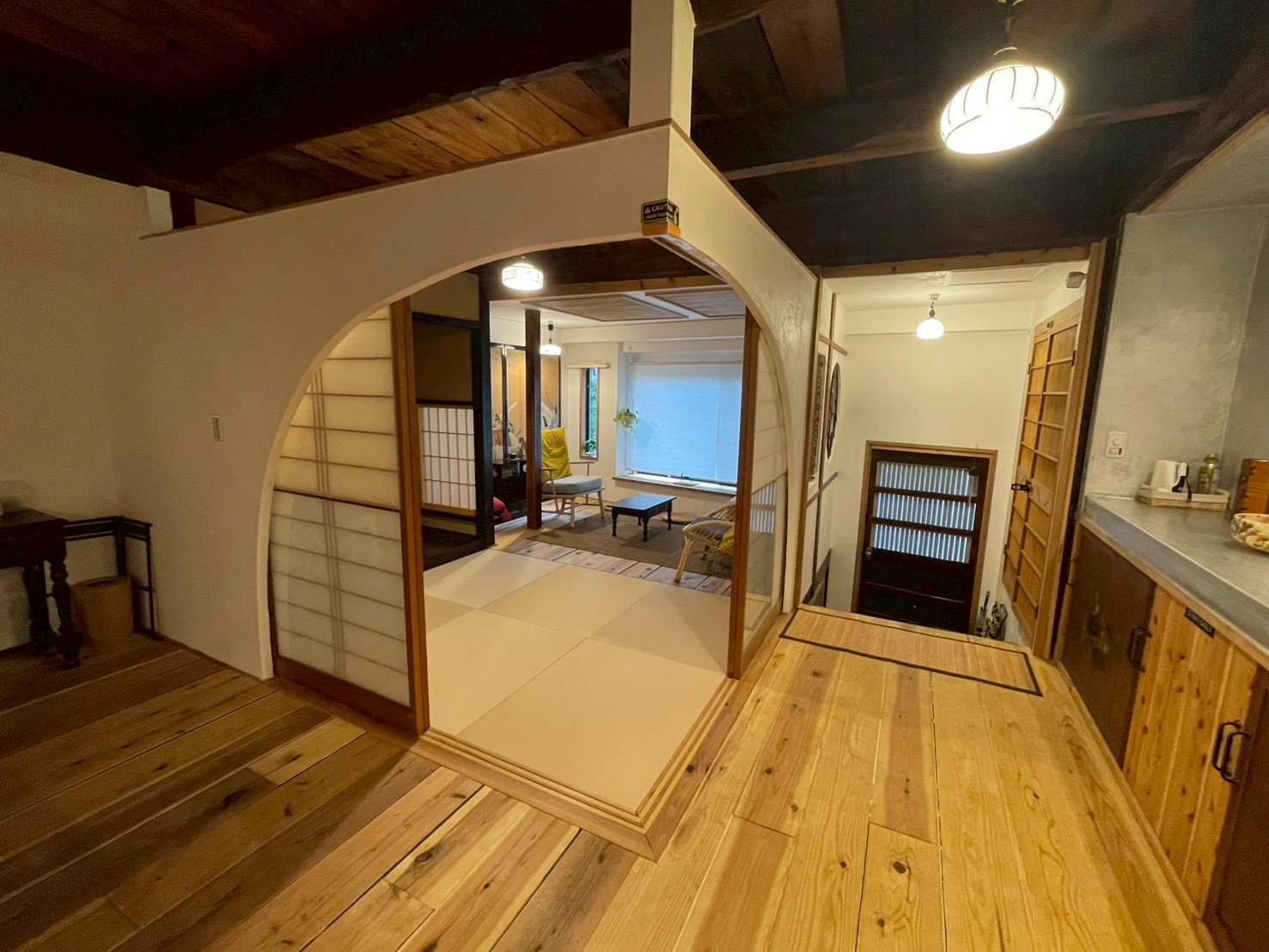
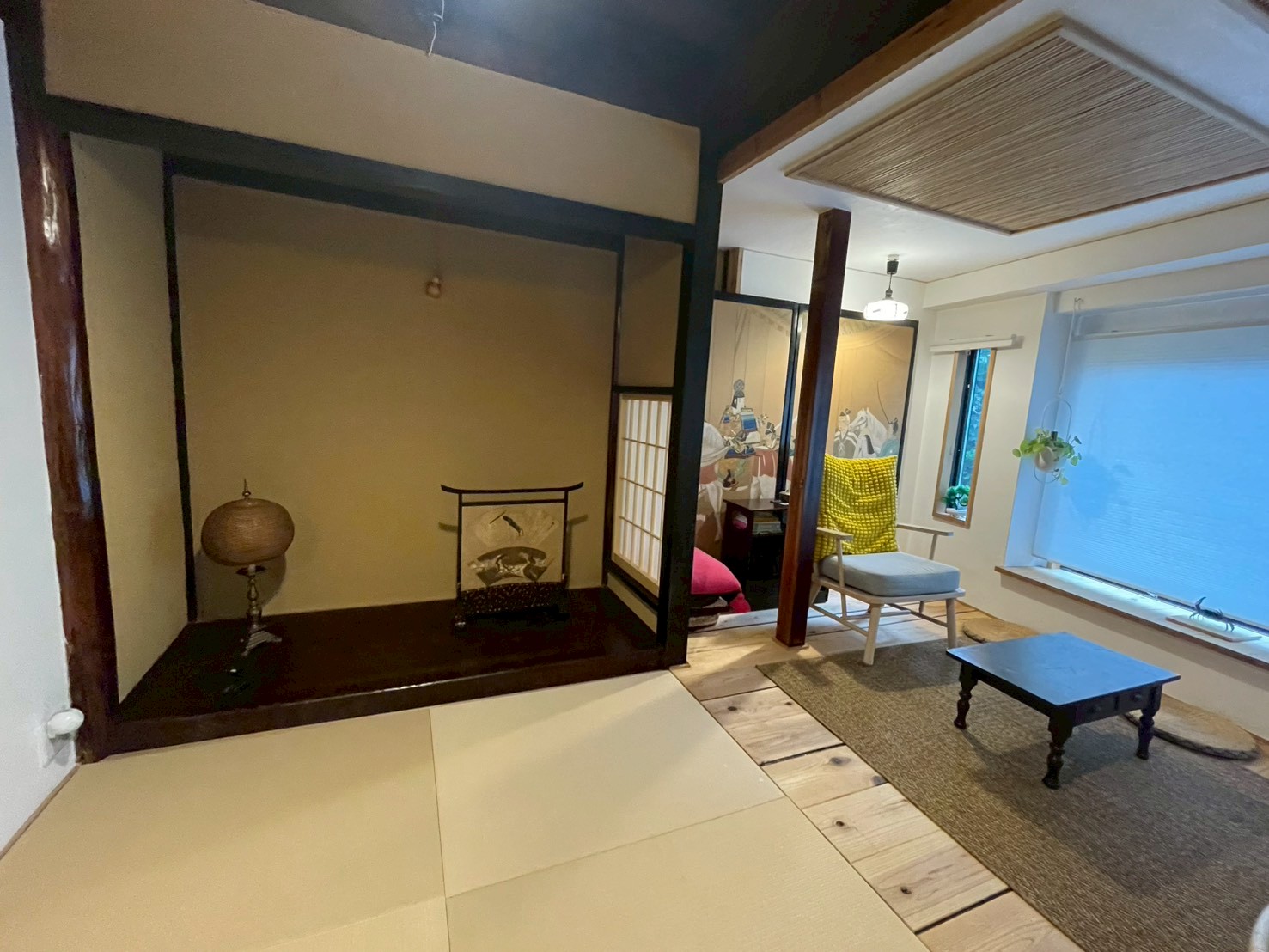
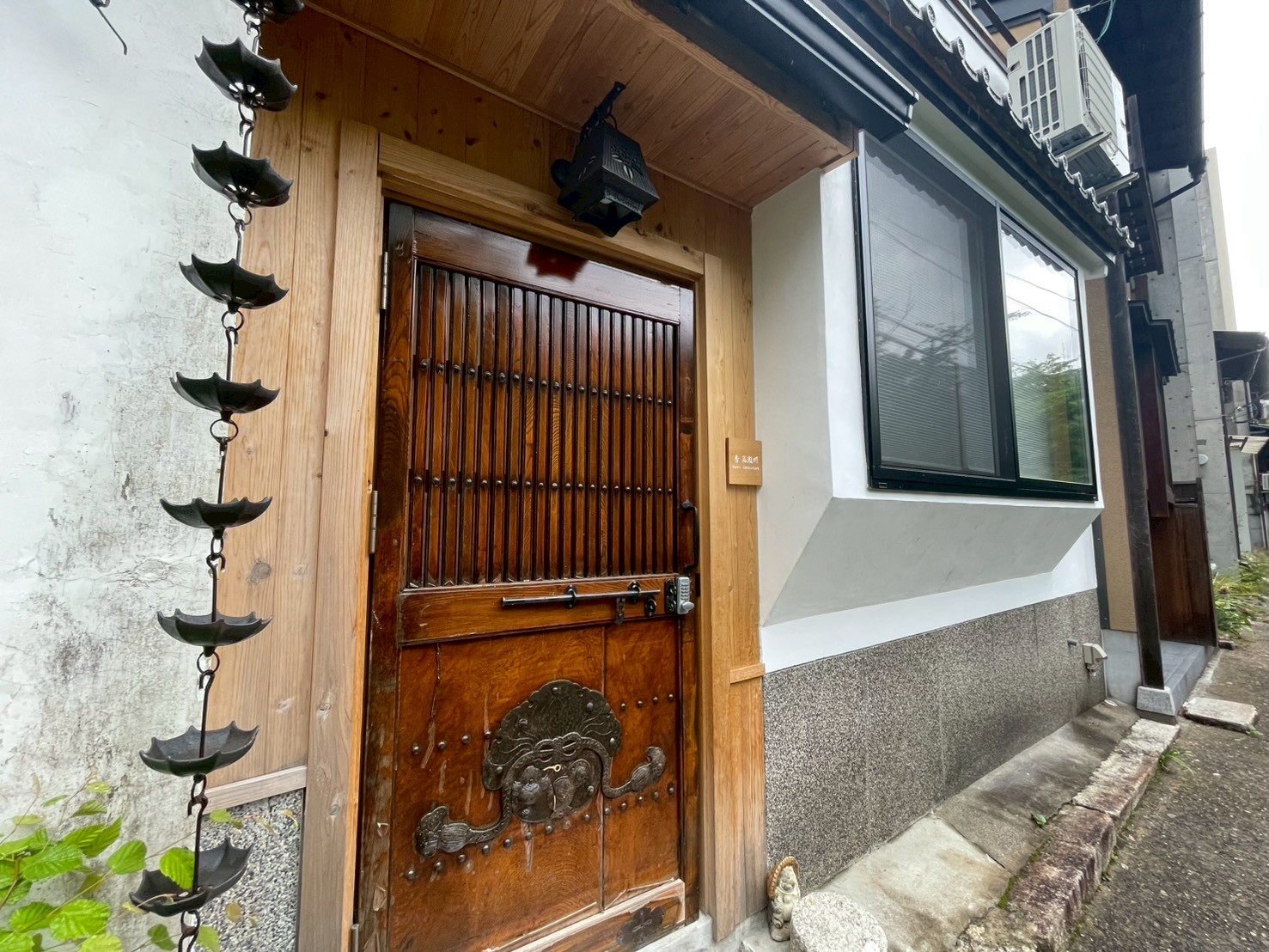
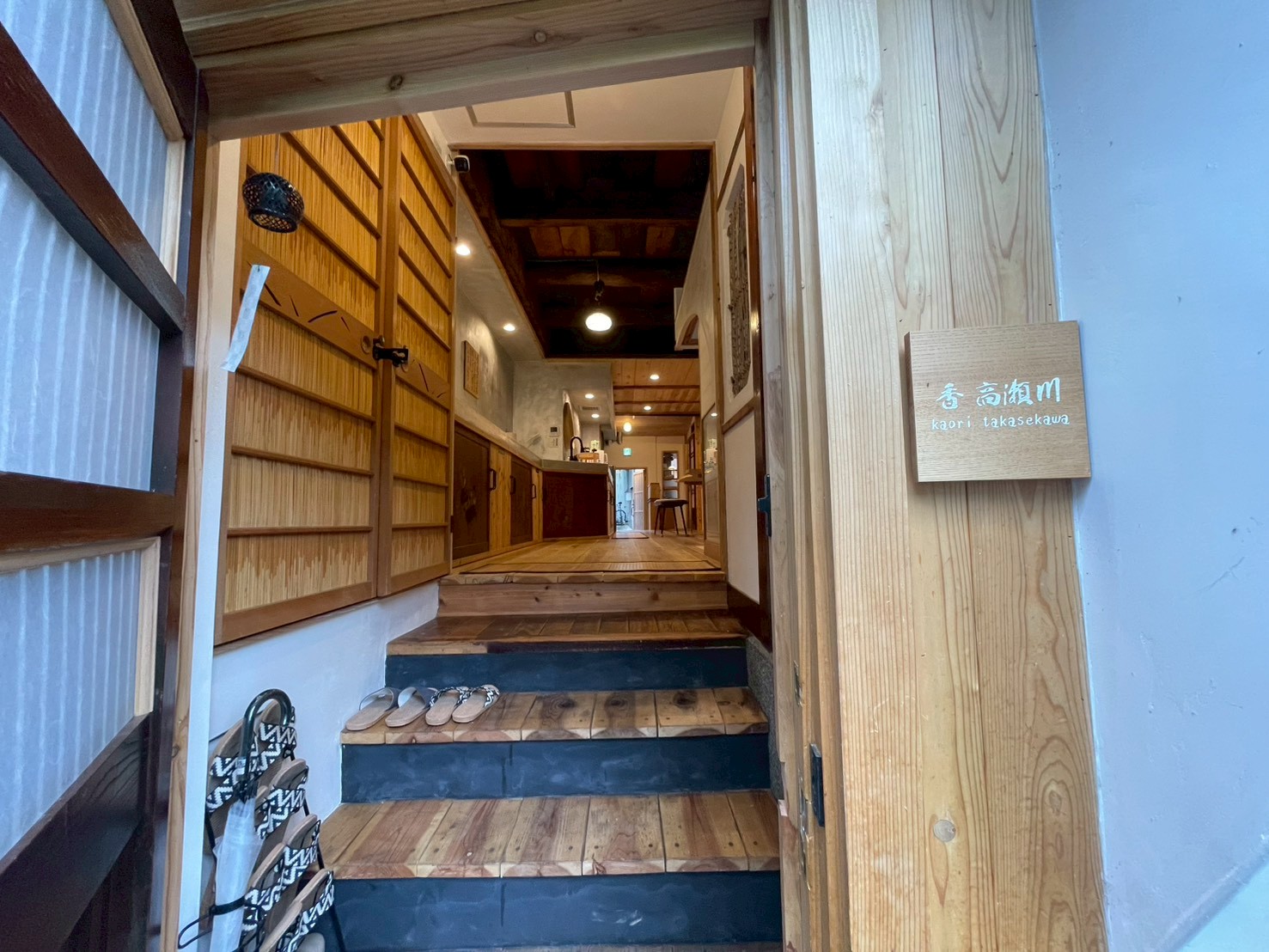
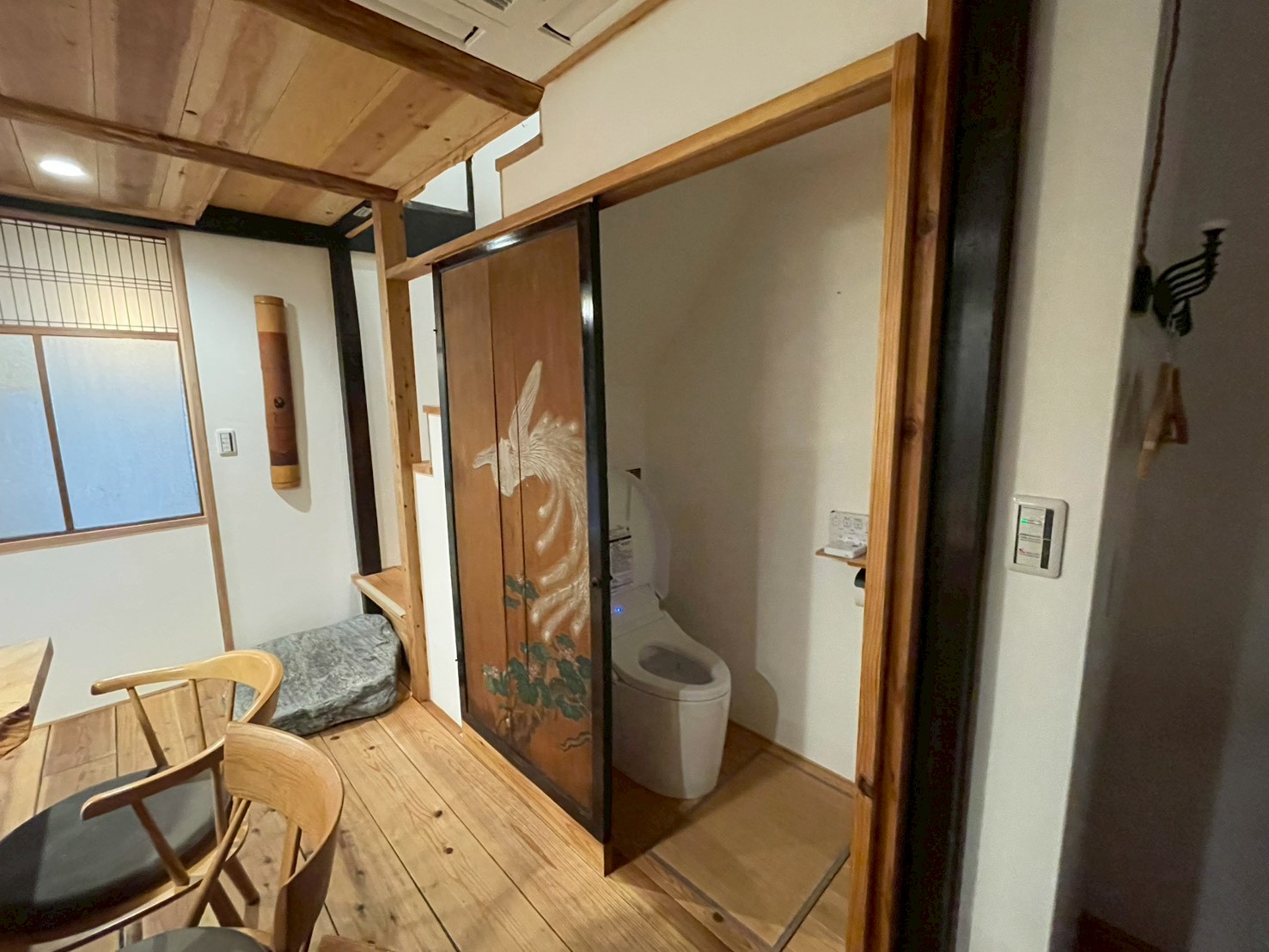
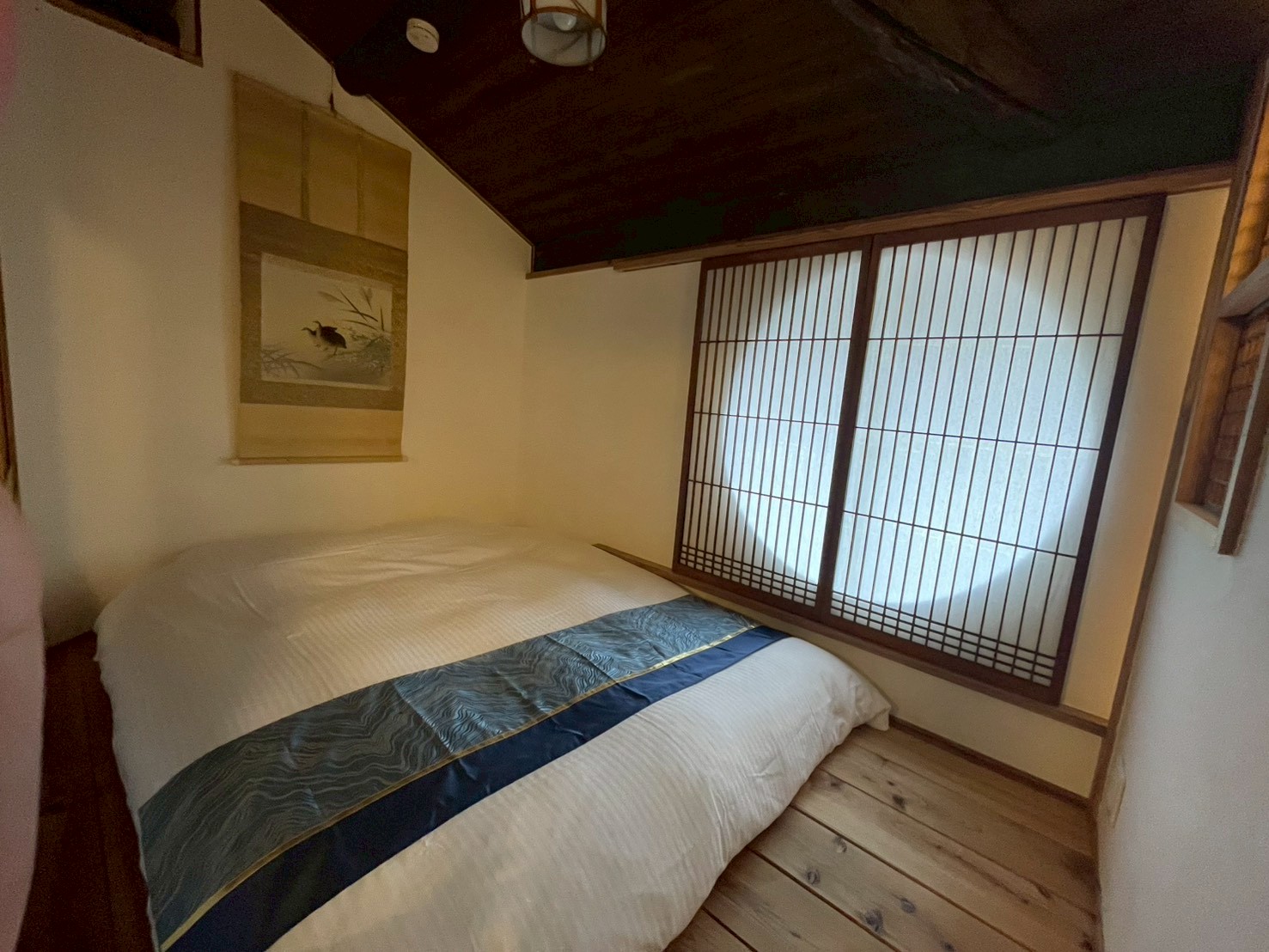
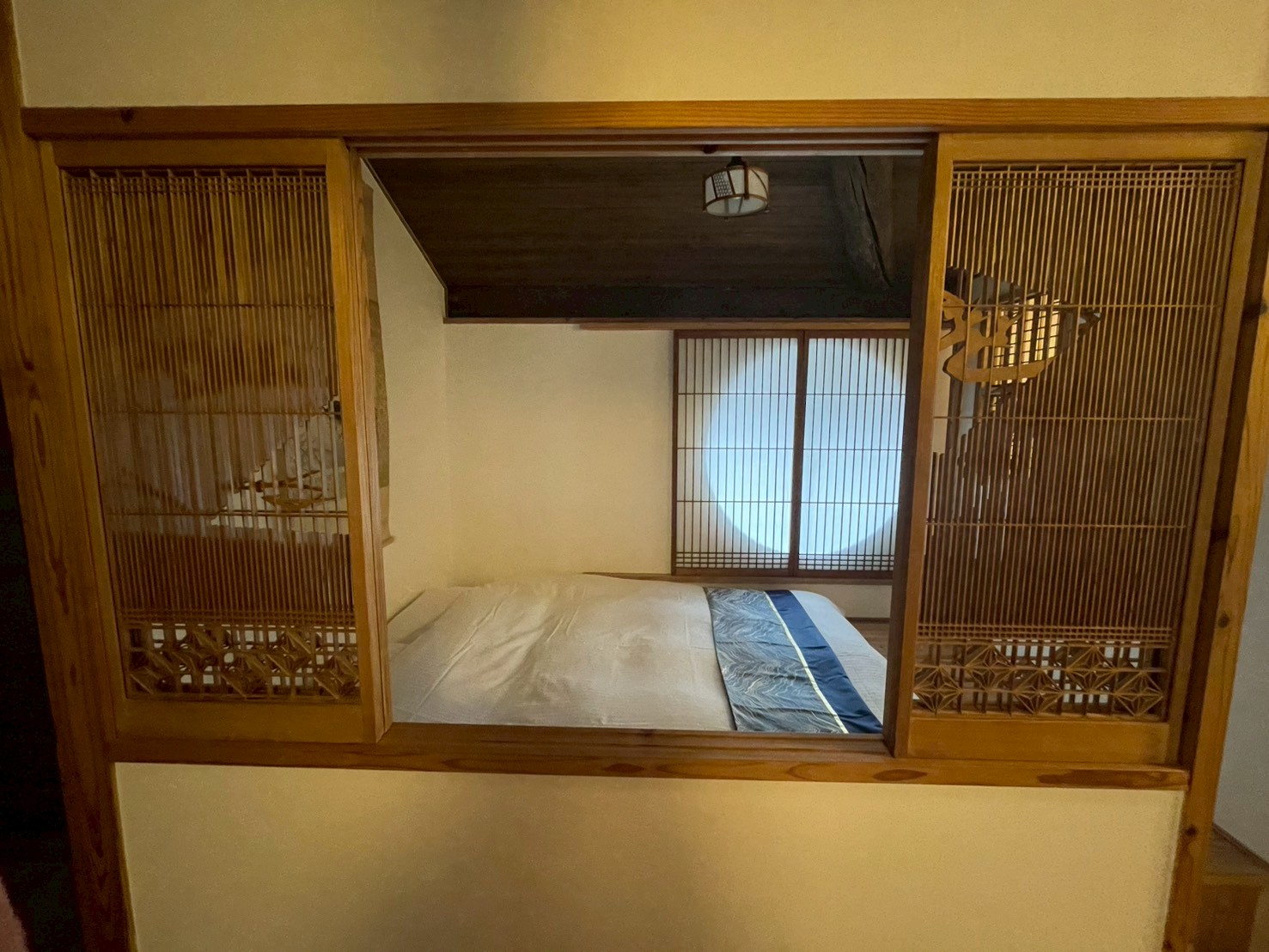
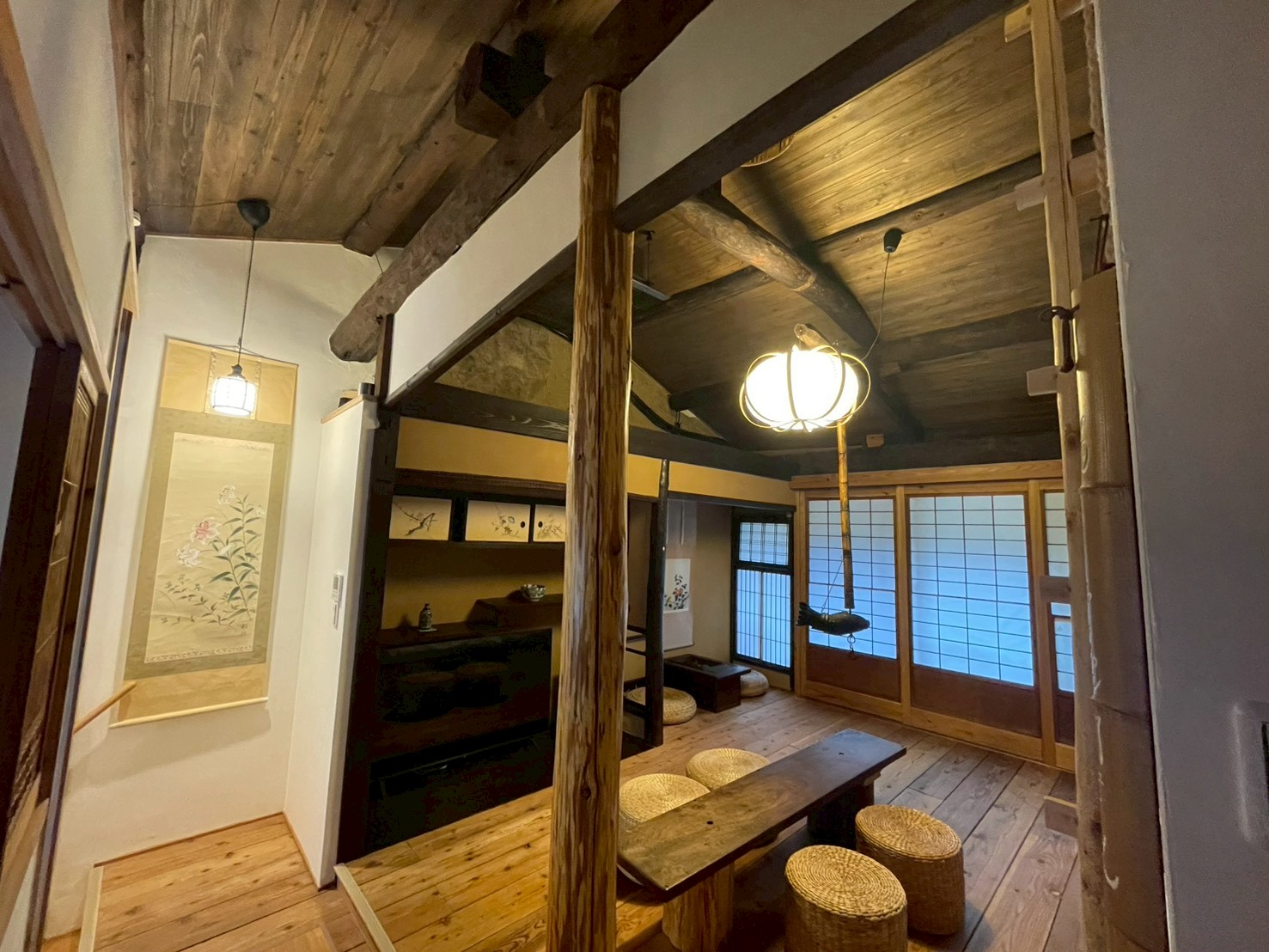
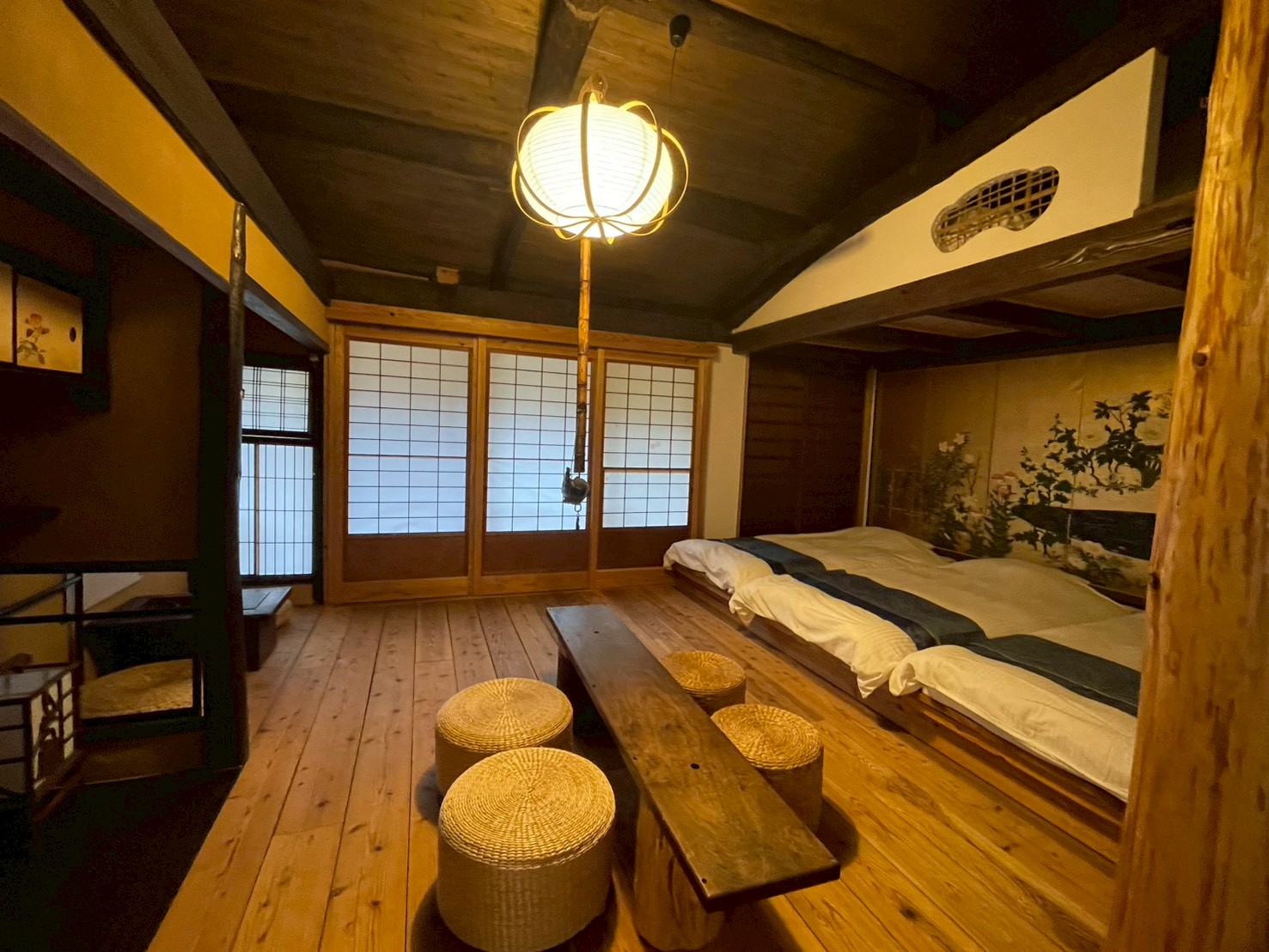
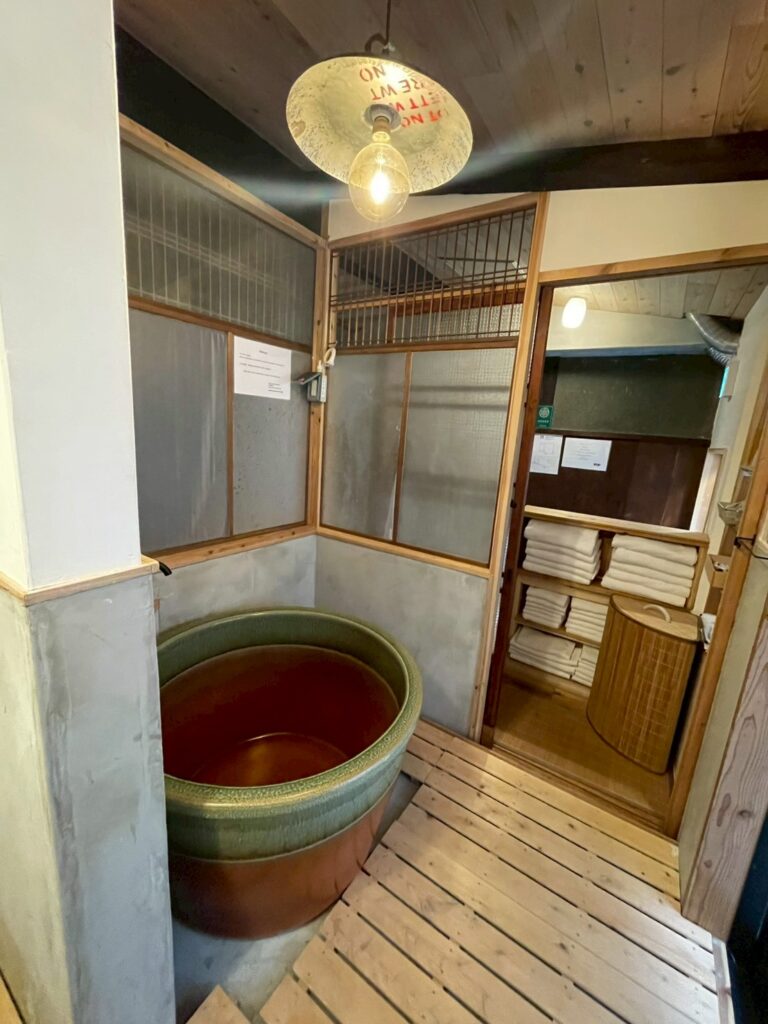
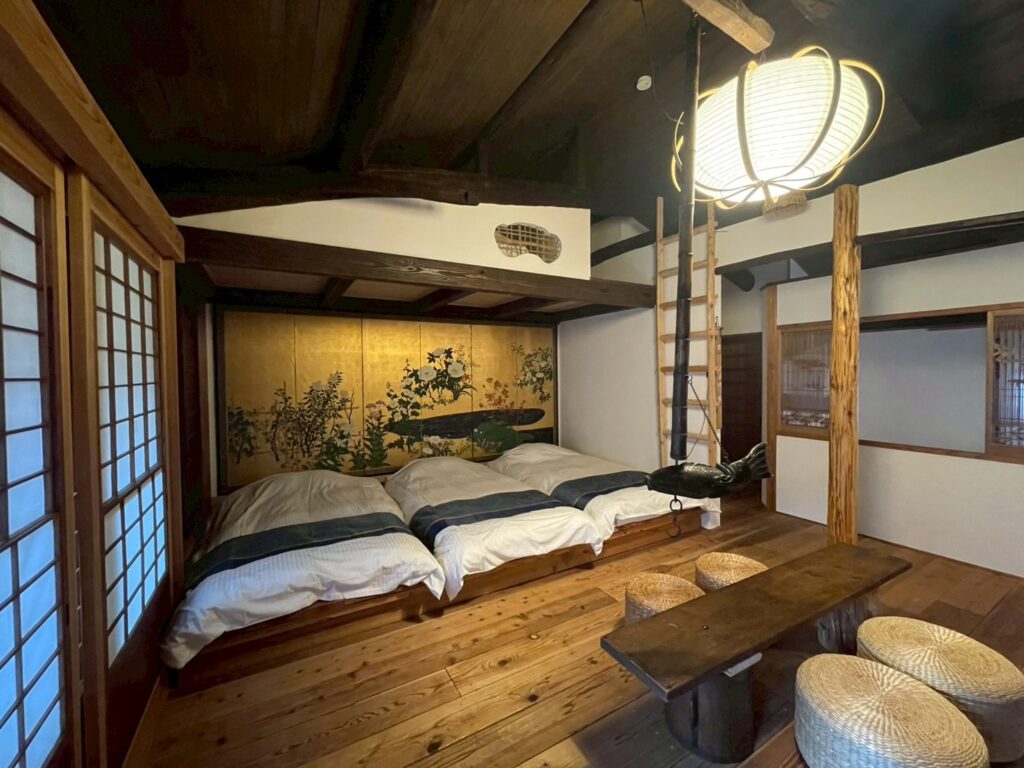
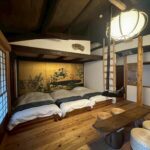
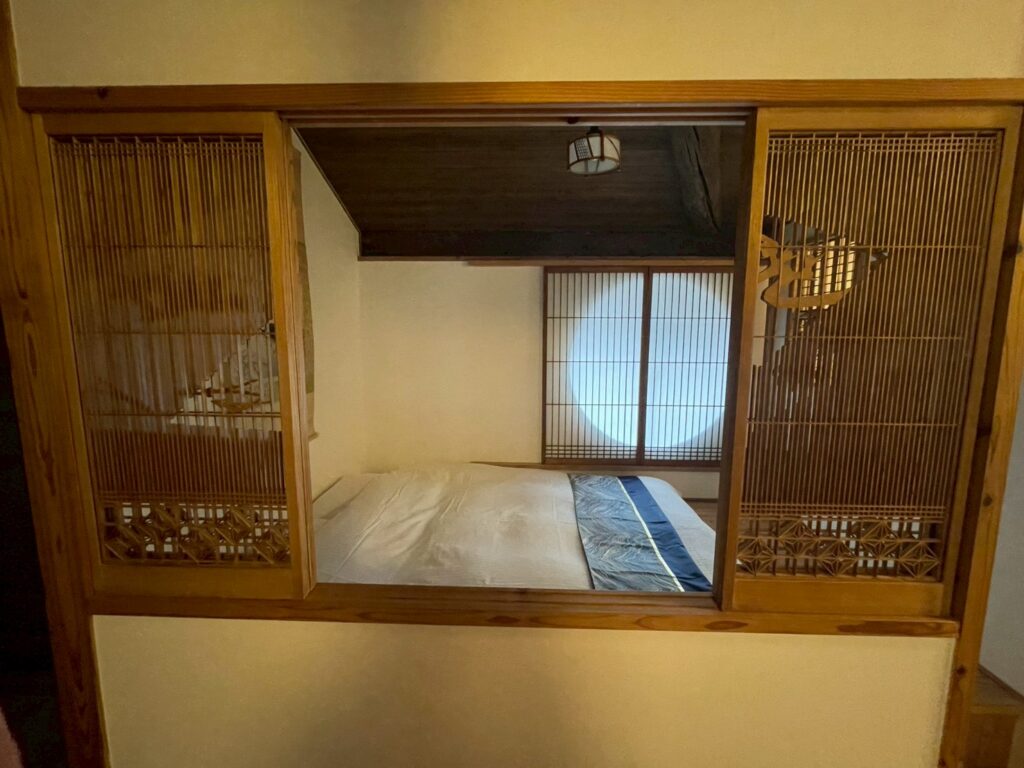
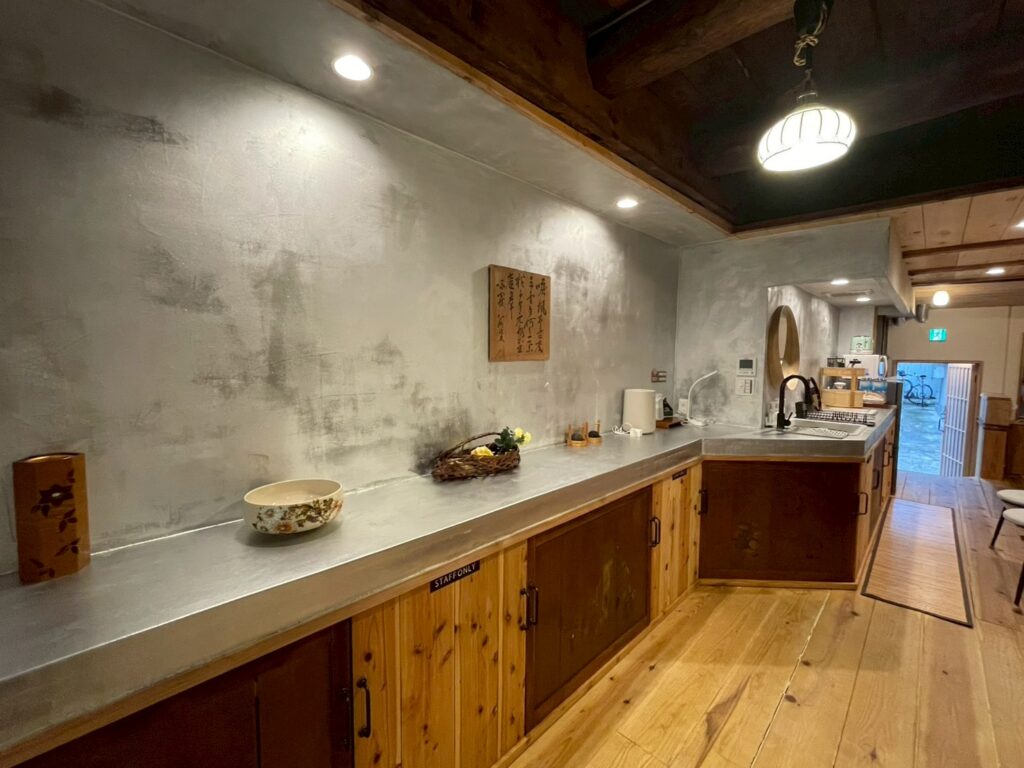
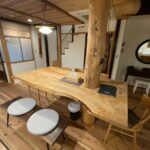
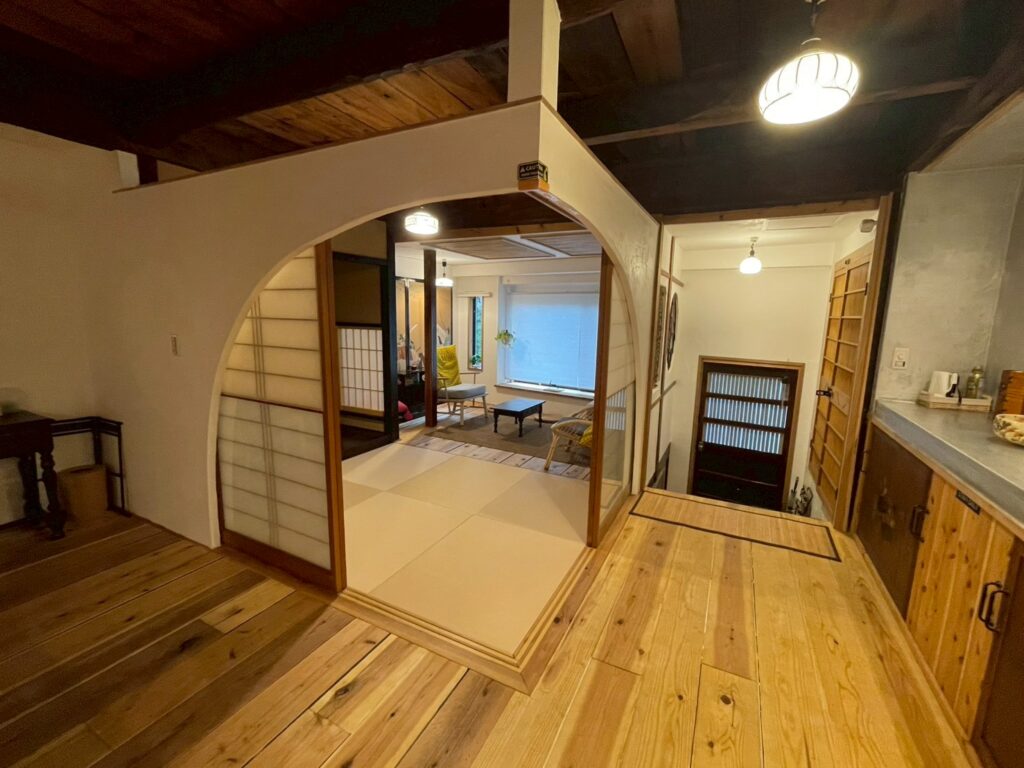
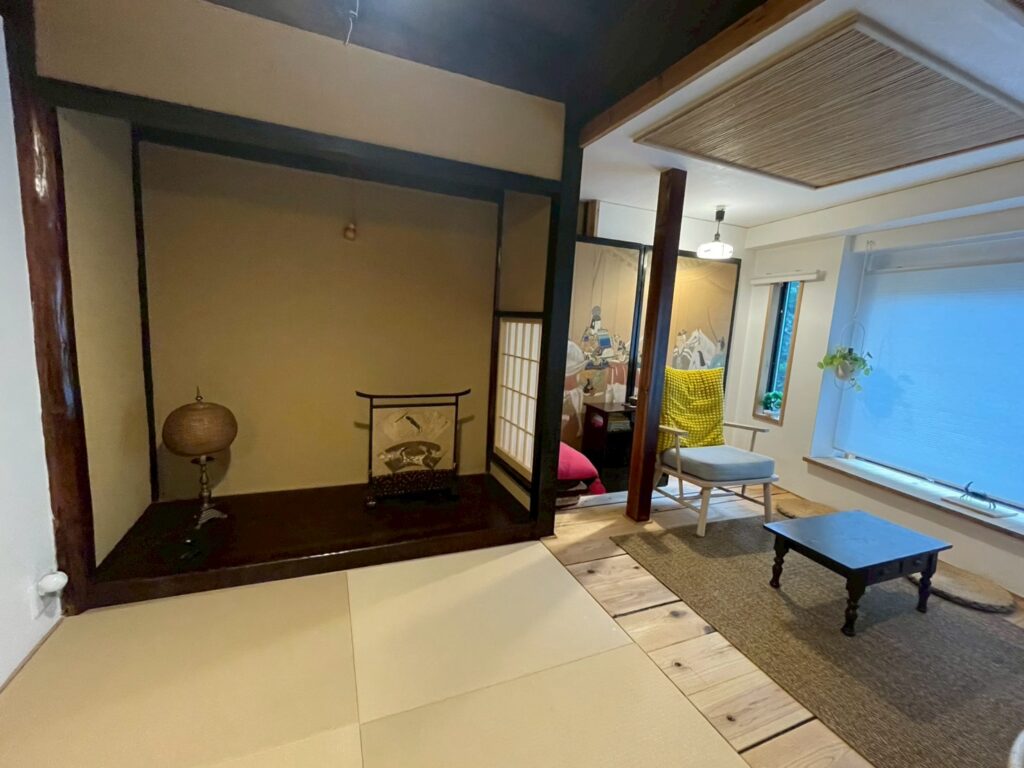
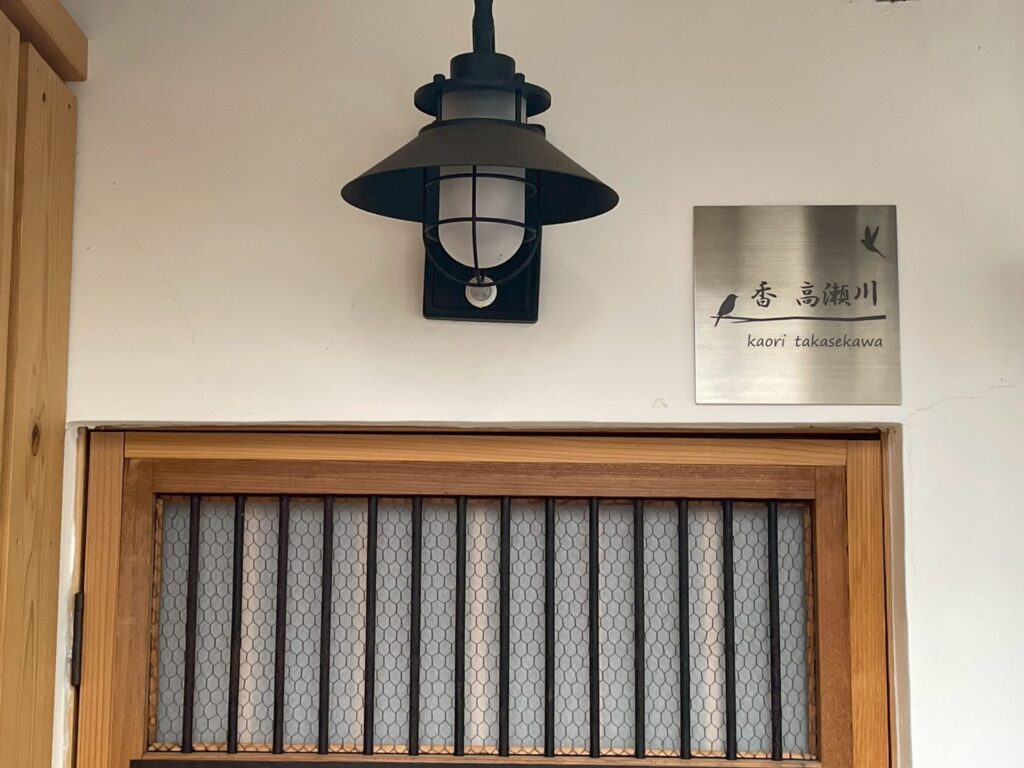
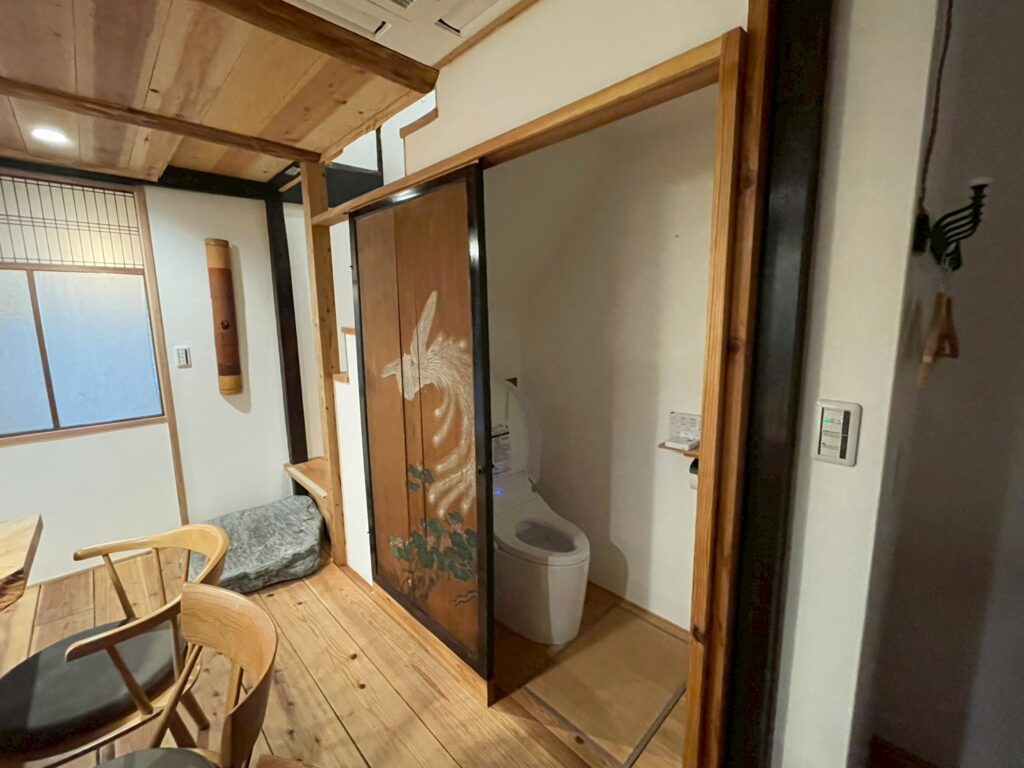
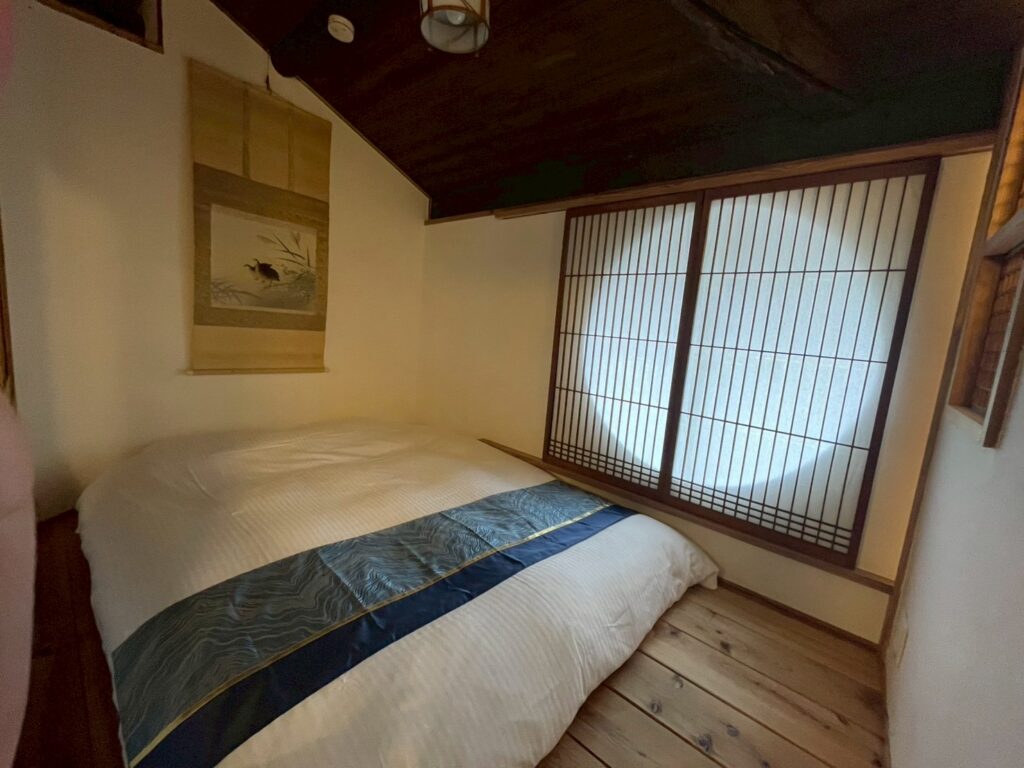
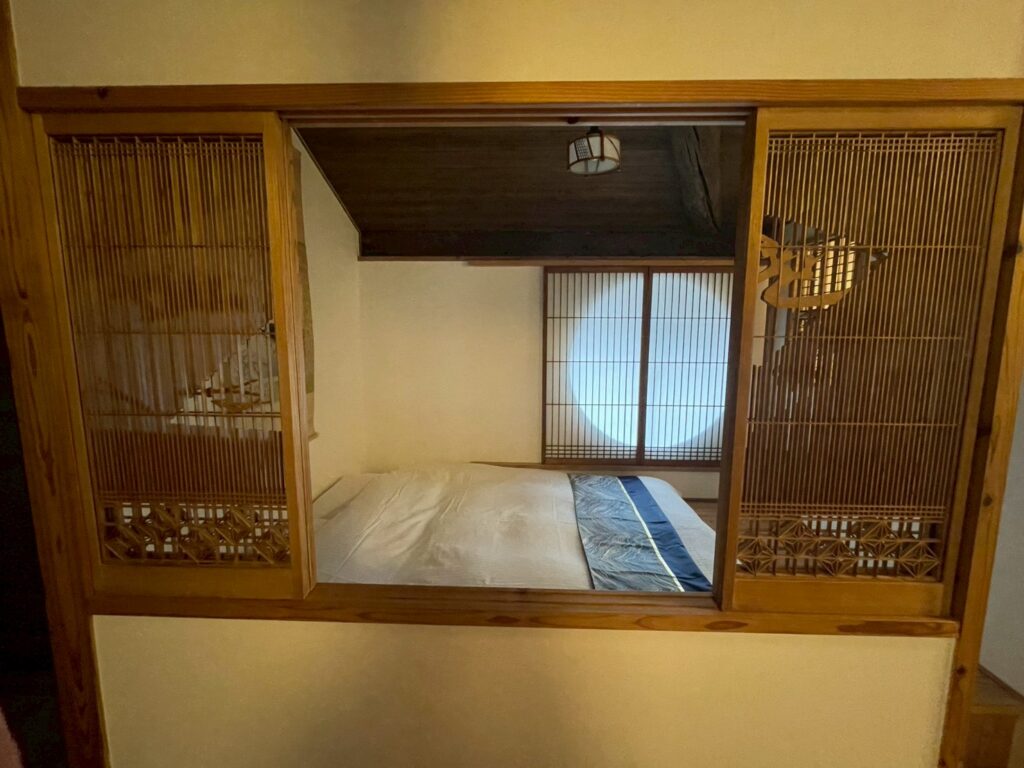
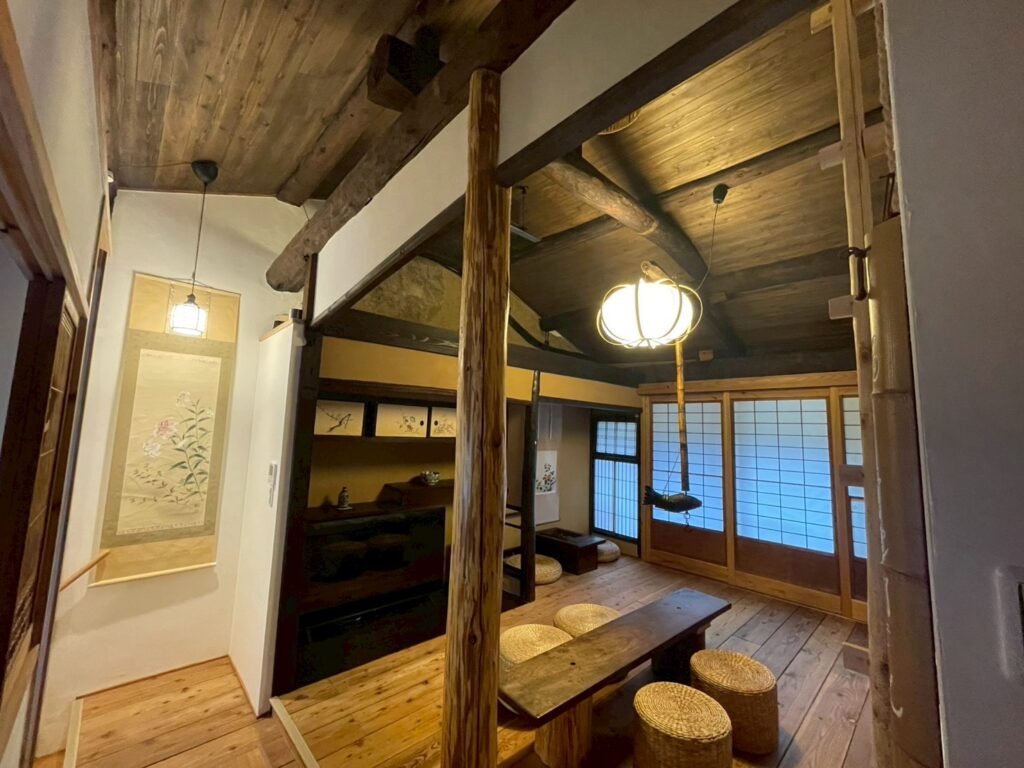
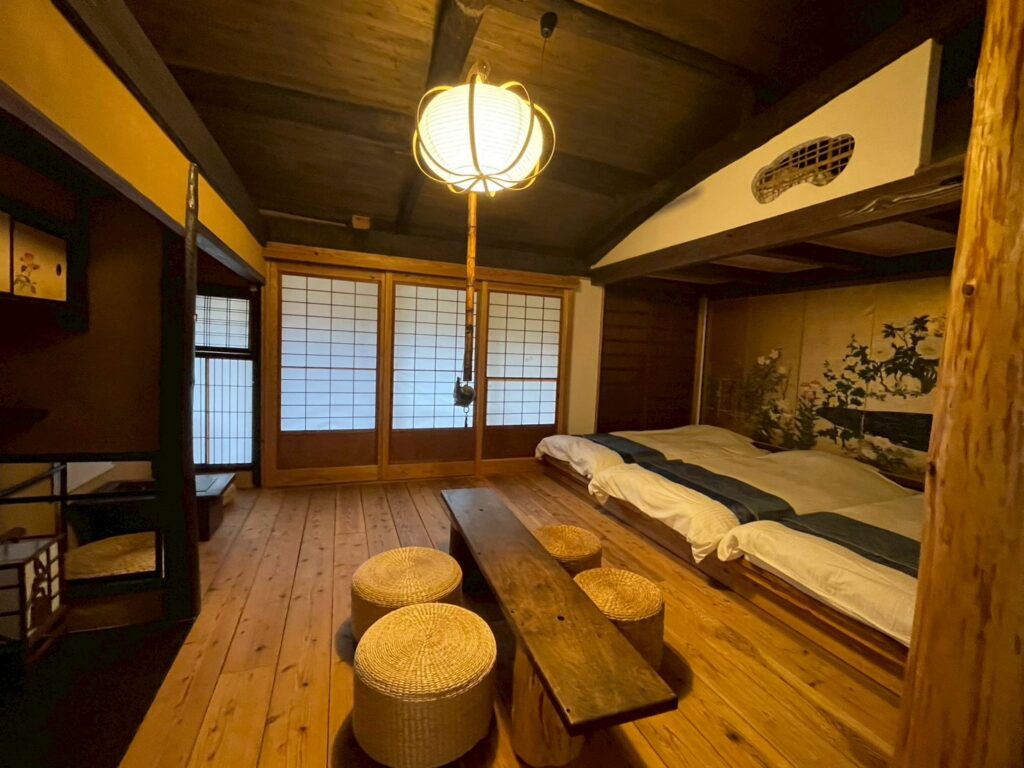
Designed through a collaboration between the owner and architect, the house was conceived around a remarkable collection of traditional Japanese architectural elements gathered over many years. Rather than treating old fittings and materials as relics of the past, each door, screen, and panel was carefully incorporated into a new architectural composition. Every piece carries its own history, yet together they create a living environment that feels unexpectedly contemporary.
This approach reflects a uniquely Kyoto tradition. For generations, architectural elements have been preserved, exchanged, and reused rather than discarded. Buildings may disappear, but the craftsmanship, memories, and materials continue their journey into new spaces. Long before concepts such as sustainability or the circular economy became global conversations, Kyoto practiced a culture of renewal through respect for what already existed.
At Koh, these fragments of history become part of everyday life. Guests do not simply stay in a restored townhouse; they inhabit a collection of stories, craftsmanship, and memories assembled into a single living space.
Today, Koh operates as a successful guesthouse, welcoming visitors from around the world who seek a deeper connection to Kyoto. Yet beyond its business value lies something far rarer: the opportunity to become the next steward of a place shaped by culture, design, and continuity.
This is not simply a property.
It is an invitation to participate in Kyoto’s enduring tradition of passing beauty forward.